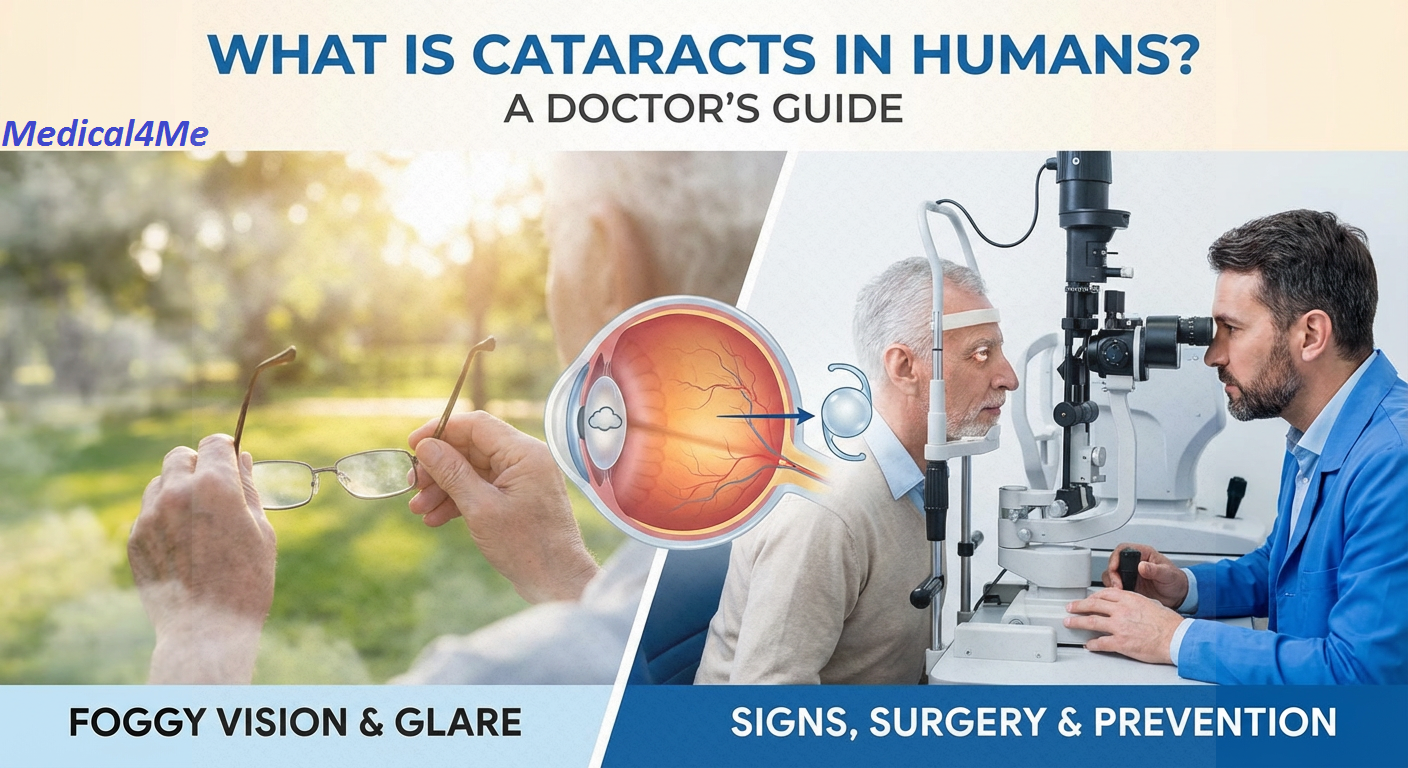
What Is Cataracts in Humans? Signs, Surgery & Prevention
I still remember the evening Mrs. Shahid sat in my office. She was a vibrant woman, usually full of stories about her grandchildren, but that day she looked defeated. “I stopped driving to the masjid at night,” she whispered, clutching her purse. “The headlights… they look like exploding stars. I feel unsafe.”
For months, she thought she just needed new glasses. She didn’t realize that the problem wasn’t on the outside of her eye, but inside it. Mrs. Shahid was dealing with a cataract, a condition that affects nearly 24.4 million Americans aged 40 and older.
If you are reading this because your vision feels like you are constantly looking through a dirty window, or if colors just don’t seem as bright as they used to be, you are likely asking yourself: what is cataracts in humans, really? Is it permanent? Is it scary?
Here is the good news. While the diagnosis sounds intimidating, it is one of the most treatable medical conditions in the world. In this guide, we will walk through everything—from that first foggy moment to the clear, bright morning after treatment—stripping away the jargon so you can see the path ahead clearly.
What Exactly Is a Cataract?
Think of your eye like a high-quality camera. Inside, right behind the colored part (the iris), sits a clear lens. Its job is to focus light onto the retina so you can see crisp images.
When we are young, this lens is crystal clear and flexible. But as we age, the proteins inside the lens start to break down and clump together. Imagine a raw egg white. When it’s raw, it’s clear. When you cook it, it turns white and opaque. A cataract is somewhat similar—it is the clouding of that natural lens.
It is not a growth on the eye. It is a change in the eye. You cannot scrape it off. But, we can fix it.
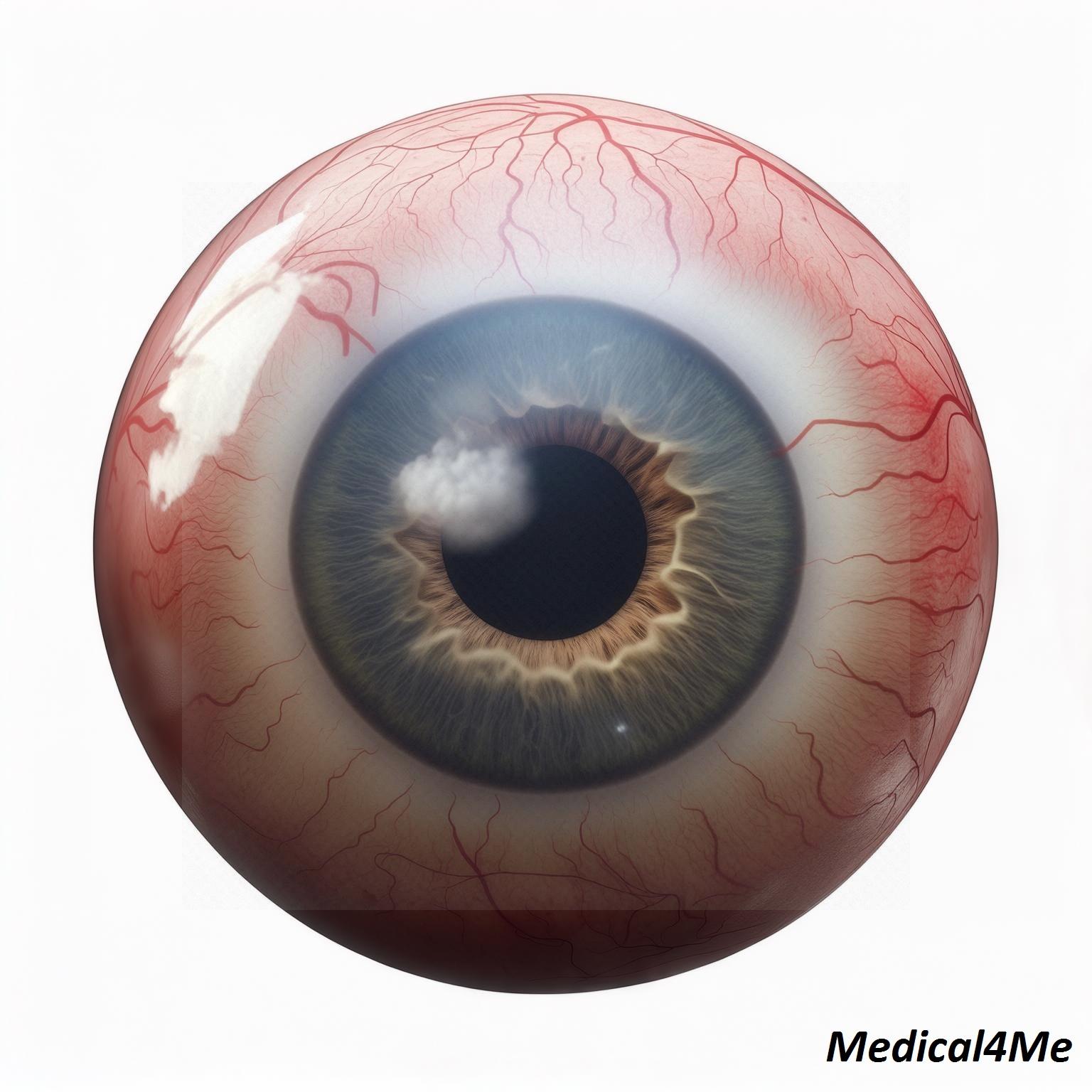
The image above displays three main components: the external appearance of an eye with a cataract, a comparison of a normal and cloudy lens, and a detailed cross-section of the eye’s anatomy.
Recognizing Symptoms and Signs: The “Fog” Rolling In
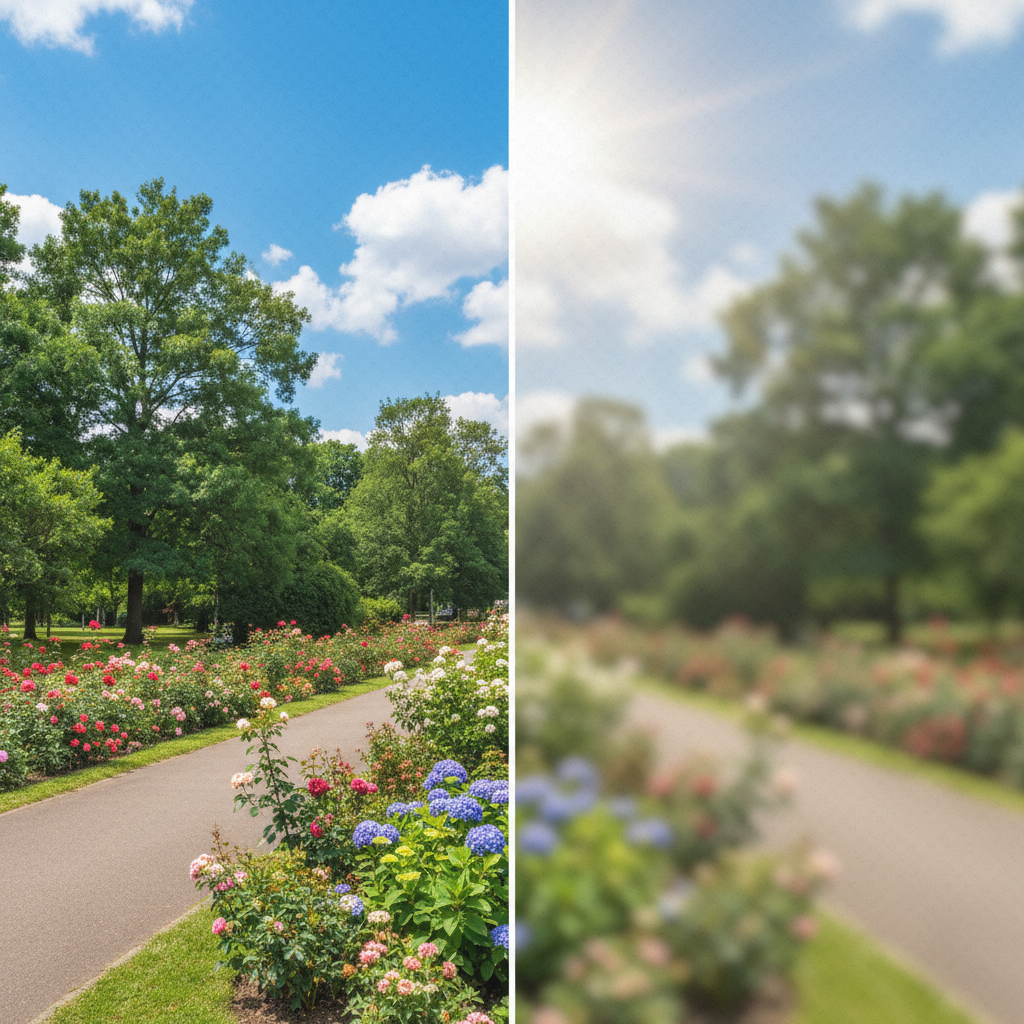
Cataracts are sneaky. They don’t hurt. They don’t make your eye red or itchy. They arrive on “little cat feet,” slowly stealing your clarity over years.
I’ve seen patients like Mr. Siddiqui, a retired engineer in Houston, who didn’t even realize how bad his vision was until he got surgery. “Doc,” he told me later, “I didn’t know my kitchen walls were white. I thought they were yellow!”
The Progressive Timeline
- 🟢 Mild (Early Stage): You might just think you need better lighting to read. You might change your glasses prescription more often, but vision is still manageable.
- 🟡 Moderate (The Warning Zone): This is when Mrs. Shahid came in. Night driving becomes terrifying due to glare and halos around streetlights. Colors look washed out or sepia-toned.
- 🔴 Severe (Advanced): The “dirty window” effect is constant. You might have double vision in one eye. In extreme cases (which we rarely see now in the US because people seek help sooner), the pupil can actually look white or milky to others.
But here’s the thing: everyone’s timeline is different. I’ve seen patients in their 50s with fast-growing cataracts and patients in their 80s with only mild clouding.
Understanding Causes and Risk Factors
So, why does this happen? The biggest culprit is simply birthdays. Aging is the number one cause. But in my clinical experience, I see other factors speeding up the process, especially in certain communities.
- Diabetes: This is huge. High blood sugar levels damage the lens proteins. People with diabetes are statistically likely to develop cataracts at a younger age.
- UV Radiation: Those years spent in the sun without sunglasses add up. Ultraviolet light causes oxidative stress in the lens.
- Steroid Use: Long-term use of corticosteroid medications (often used for arthritis or allergies) is a known trigger.
- Smoking and Alcohol: Smokers are twice as likely to develop cataracts as non-smokers. It creates free radicals that attack the eye.
- Trauma: A hard hit to the eye can cause a “traumatic cataract” months or even years later.
We can’t stop the clock, but managing these risks—like controlling blood sugar—can definitely slow things down. Read more about metabolic health in our guide on other conditions related to diabetes.
The Diagnostic Journey
If you suspect you have cataracts, don’t panic. The exam is painless. It starts with a visual acuity test—the classic “read the chart on the wall.”
Then comes the slit-lamp exam. The doctor will put some drops in your eyes to dilate (widen) the pupils. This is like opening the curtains so we can see the furniture inside. Using a special microscope with a bright light, we look directly at the lens.
We grade cataracts on a scale. But honestly, the number doesn’t matter as much as your life does. I always tell patients: “We don’t treat the chart; we treat the patient.” If you are 20/40 but you can’t drive to the grocery store safely, it is time to talk about surgery.
Treatment Options Comparison
Currently, there is no pill, eye drop, or yoga exercise that can reverse a cataract. Once the protein is cooked, it’s cooked. Surgery is the only cure. But don’t let the word “surgery” scare you.
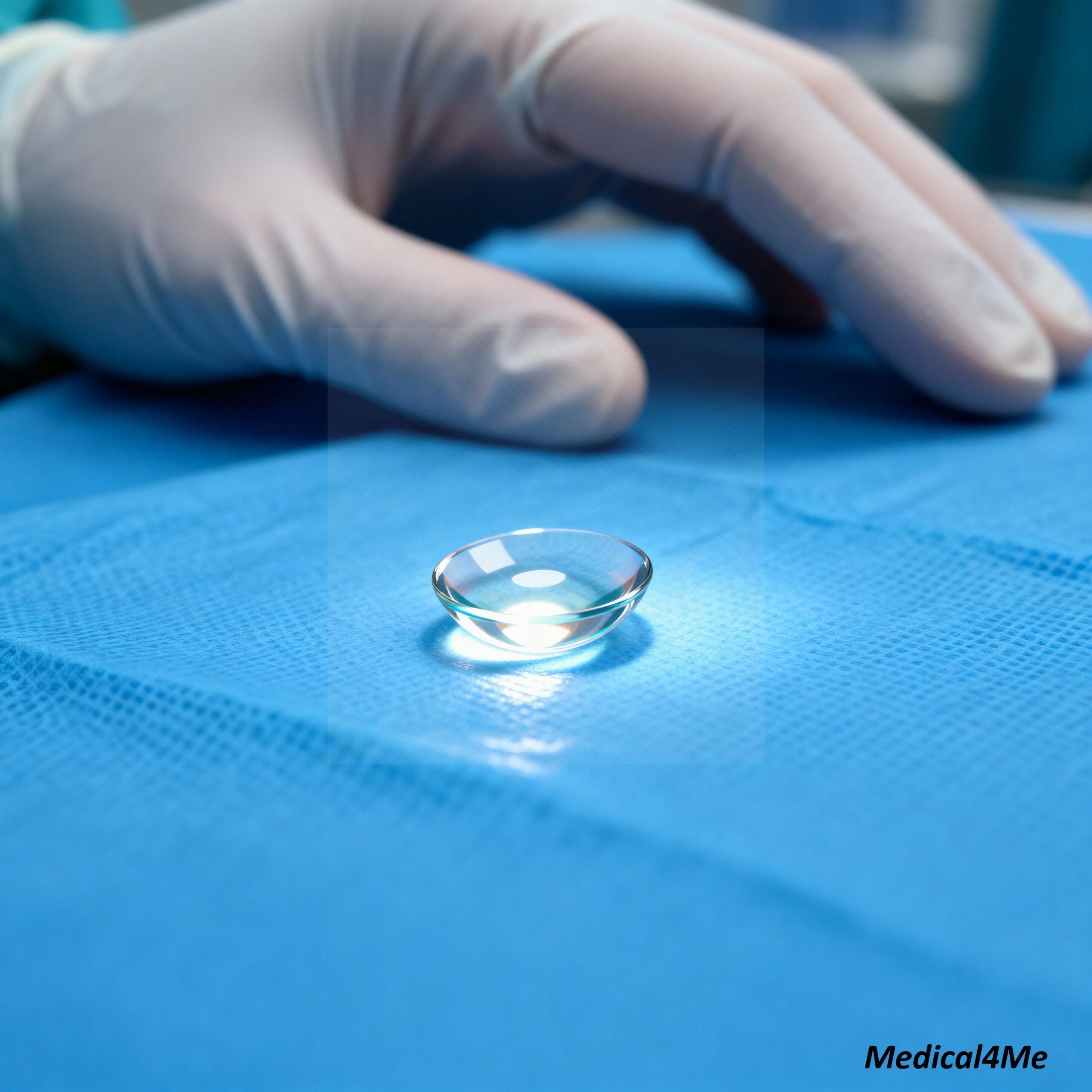
Modern cataract surgery, called phacoemulsification, is a marvel of engineering. We make a microscopic incision, use ultrasound waves to break up the cloudy lens, vacuum it out, and slip in a pristine, artificial Intraocular Lens (IOL).
| IOL Type | What It Does | Best For | Cost Factor |
|---|---|---|---|
| Monofocal IOL | Fixed focus usually for distance. | People okay with wearing reading glasses. | Fully covered by most insurance. |
| Toric IOL | Corrects astigmatism + distance. | People with astigmatism (football-shaped eyes). | Usually requires out-of-pocket payment. |
| Multifocal IOL | Focuses near, far, and in-between. | People who want to be glasses-free. | Highest out-of-pocket cost. |
| Light Adjustable Lens | Prescription can be tweaked after surgery. | Perfectionists who want exact vision. | Premium cost. |
The procedure takes about 10 to 15 minutes. You are awake but numb. Most of my patients say the hardest part is the anticipation, not the actual event.
Prevention Strategies
While we can’t completely prevent age-related changes, we can definitely tap the brakes. Think of it as preserving your vision for the long haul.
Your Eye Protection Checklist
- Wear Sunglasses: Look for a sticker that says “100% UVA/UVB protection.” Darker lenses don’t necessarily mean better protection; the coating does.
- Quit Smoking: It is the single best thing you can do for your eyes, heart, and lungs.
- Eat the Rainbow: Leafy greens like spinach and kale are packed with Lutein and Zeaxanthin—antioxidants that act like internal sunglasses for your eyes.
I mentioned in recent posts how diet affects inflammation, and the eyes are no exception. High-antioxidant foods fight the oxidative stress that clouds the lens.
⚠️ When to Seek Medical Help
Cataracts are slow, but other eye emergencies are fast. If you experience sudden vision loss, a curtain falling over your vision, severe eye pain, or flashes of light, do not wait. Go to the ER or see an ophthalmologist immediately. These could be signs of a retinal detachment or glaucoma, not cataracts.
According to the National Eye Institute, early detection of any eye condition is key to preserving sight.
Patient Story: A New World for Mr. Tariq
Mr. Tariq, a 68-year-old taxi driver in Chicago, was terrified of surgery. “These eyes are my livelihood,” he told me. “What if something goes wrong?” He had delayed the procedure for two years until he failed his DMV vision test. He had no choice.
The morning after his first surgery, he called the office. I thought something was wrong. But he was crying happy tears. “Doctor,” he said, “I can see the leaves on the trees. I haven’t seen the individual leaves in ten years.” He was back on the road two weeks later, safer and happier than he had been in a decade. His story reminds us that fear is often the biggest obstacle to healing.
Latest Research & Developments (2024-2025)
The future of cataract treatment is incredibly exciting. In 2024, researchers began advanced trials on “accommodating IOLs”—lenses that physically move and shift focus just like a young, natural eye, potentially eliminating the need for reading glasses entirely.
Furthermore, there is promising research into eye drops containing lanosterol, which might be able to dissolve mild cataract proteins without surgery. While this isn’t available at your pharmacy yet, it shows that we are moving toward less invasive options. Studies from Mayo Clinic continue to refine laser-assisted surgeries for even greater precision.
Frequently Asked Questions
Conclusion
So, what is cataracts in humans? It is simply a part of life’s journey—a clouding of the lens that happens to almost everyone if we are lucky enough to live long enough. It is not a punishment, and it is certainly not the end of your vision.
Whether you are just noticing that first bit of glare or you are like Mr. Tariq, ready to see the leaves on the trees again, help is available. You don’t have to live in the fog. Modern medicine has turned this once-blinding condition into a routine recovery story.
Take care of your eyes—they are the only pair you have. Schedule that exam. Wear those sunglasses. And if it’s time for surgery, step forward with confidence. A brighter world is quite literally waiting for you. For more insights on maintaining your health, explore our resources here at Medical4Me.
Medical Disclaimer: This content is for informational purposes only and is not a substitute for professional medical advice, diagnosis, or treatment. Always seek the advice of your physician or other qualified health provider with any questions you may have regarding a medical condition. Never disregard professional medical advice or delay in seeking it because of something you have read on Medical4Me.com.
💬 Share Your Experience
Share your thoughts, questions, or personal tips below. Our community and editorial team value respectful and insightful discussions.