
Diabetes Type 2: A Compassionate Medical Guide
Look, I know why you’re reading this. Maybe you just got off the phone with your doctor, or maybe you saw a number on a lab report that made your stomach drop. It’s late, the house is quiet, and your mind is racing with worst-case scenarios. You’re probably thinking about your grandfather’s struggles or worrying that your life, as you know it, is over.
I need you to take a deep breath. Seriously, do it now.
I am Dr. Saqlain Mushtaq, and I have sat across from thousands of people in your exact position. I’ve held their hands when they were scared, and I’ve high-fived them when they turned things around. And I’m telling you right now: Diabetes Type 2 is not a punishment, and it is certainly not the end of the road. It is a signal. It’s your body’s check engine light turning on, asking for a little help under the hood.
Let’s talk about this, not as doctor and patient, but as friends figuring this out together.
What Diabetes Type 2 Really Is
To understand this condition, we have to stop looking at it as just “high sugar.” That’s the result, not the cause.
I want to tell you about Haroon. He was 52 years old, a long-haul truck driver who spent most of his life on the road. When he came to me, he was terrified. He thought his body was broken. He told me, “Doc, I don’t even eat that many sweets.”
My first thought when a patient describes this is always the same: It’s not just about the candy bar you ate yesterday; it’s about how your body processes energy.
Here is the analogy I used for Haroon, and I want you to visualize it:
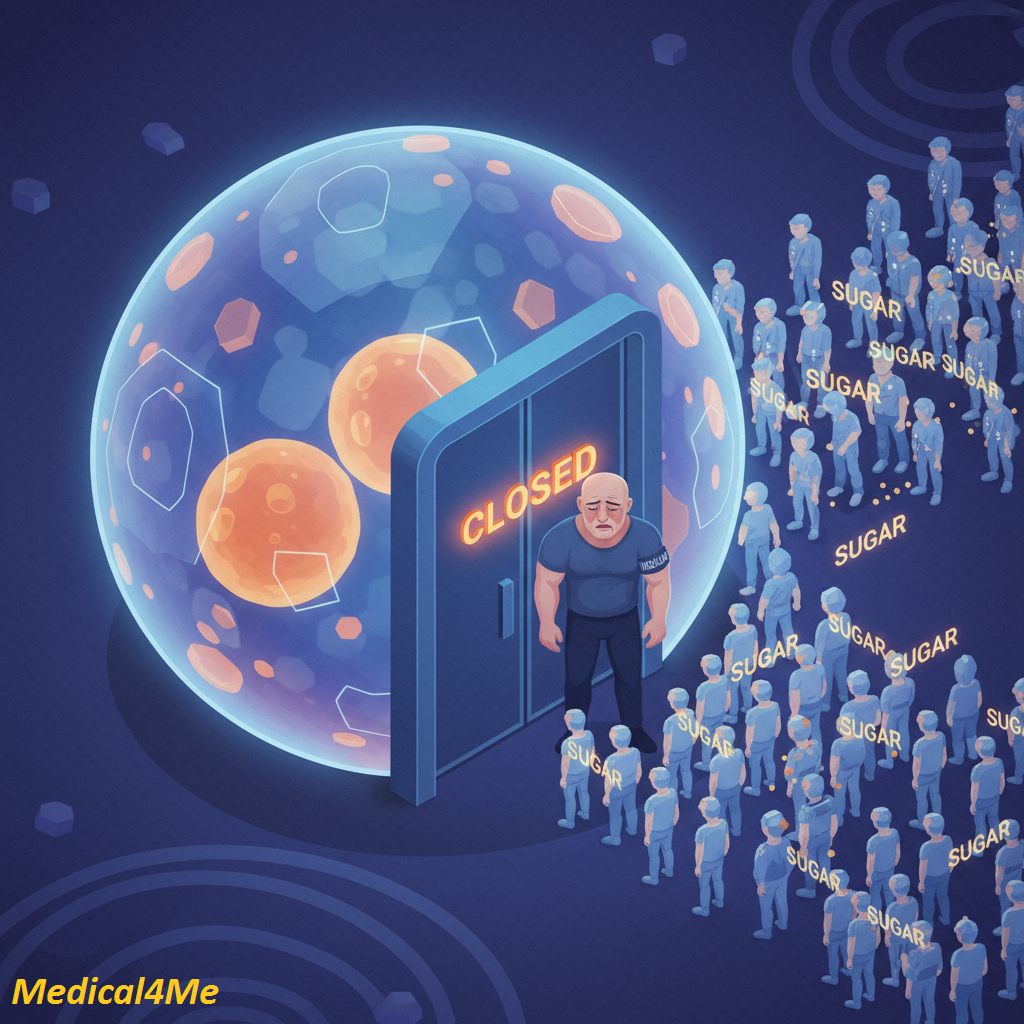
Imagine your body’s cells are like a busy nightclub. Glucose (sugar) is the crowd of people trying to get inside to party (provide energy). Insulin is the bouncer at the door. In a healthy body, the bouncer opens the door, lets the people in, and everyone is happy.
But with Diabetes Type 2, two things happen. First, the nightclub is already packed to capacity. Second, the bouncer (insulin) gets tired and stops opening the door effectively. We call this “insulin resistance.” Because the crowd can’t get into the club, they just pile up in the street (your bloodstream). That traffic jam in the street? That is high blood sugar.
So, it’s not that you are broken. It’s just that your bouncers are tired, and the club is full.
Recognizing the Symptoms
Sometimes, the signs are loud, but often, they are whispers that are easy to miss.
Take Priyanka, for example. She was a 28-year-old software developer, sharp as a tack. She came in because she thought she needed new glasses. “I can’t focus on my screen anymore,” she said. She ignored the fact that she was drinking four liters of water a day and using the bathroom constantly. She thought she was just being “healthy” and “hydrated.”
Because of this misconception, she went undiagnosed for months.
If you are worried, look out for these signs. They often happen together:
- Unquenchable Thirst: You drink water, but your mouth still feels like cotton.
- Frequent Urination: Especially waking up multiple times at night to go.
- Blurry Vision: Like Priyanka, you might feel like your prescription has changed suddenly.
- Slow Healing: A small cut or scrape takes weeks to disappear.
- Dark Patches of Skin: Usually around the neck or armpits (we call this Acanthosis Nigricans).
- Tingling Hands or Feet: A “pins and needles” sensation that won’t go away.
If you notice these, don’t panic, but do pay attention. As the CDC guidelines state, early detection changes everything.
Root Causes
Why does this happen? This is where things get tricky. To be perfectly honest, the medical community is still exploring the precise mechanism of why the “switch” flips for some people and not others.
We know genetics plays a huge role. If your parents had it, your risk is higher. We know lifestyle matters. But I have seen marathon runners get Diabetes Type 2, and I have seen people who lead very sedentary lives never get it.
However, the core issue is almost always Insulin Resistance.
Your pancreas makes insulin, but your cells stop listening to it. Consequently, your pancreas works overtime, pumping out more and more insulin to scream at the cells to open up. Eventually, the pancreas burns out and can’t keep up.
For more on how this mechanism works, Mayo Clinic explains the biology in great detail.
The Diagnostic Journey
If you suspect you have this, walking into the clinic can feel daunting. I want to demystify it for you. When you come to see someone like me, or visit us here at Medical4Me, here is exactly what happens, step-by-step:
- The A1C Test: This is the gold standard. It’s a simple blood draw that tells us your average blood sugar over the past 3 months. It’s like a report card for your blood.
- Normal: Below 5.7%
- Prediabetes: 5.7% – 6.4%
- Diabetes: 6.5% or higher
- Fasting Plasma Glucose (FPG): We ask you not to eat for 8 hours (usually overnight) and check your sugar.
- Diabetes: 126 mg/dL or higher.
- Random Plasma Glucose: If you have severe symptoms, we might just check it right then and there.
- Diabetes: 200 mg/dL or higher.
It’s just data. It’s not a judgment of your character.
Treatment Reality
This is the part where I want you to have hope. Diabetes Type 2 is incredibly manageable.
Let’s talk about Robert. He is 71, a retired history teacher. When he was diagnosed, he was sure he’d lose his foot or go blind because that’s what happened to his uncle. But medicine has changed. Robert is now hiking trails with his grandkids. He manages his condition so well that most days, he forgets he has it.
Lifestyle Adjustments
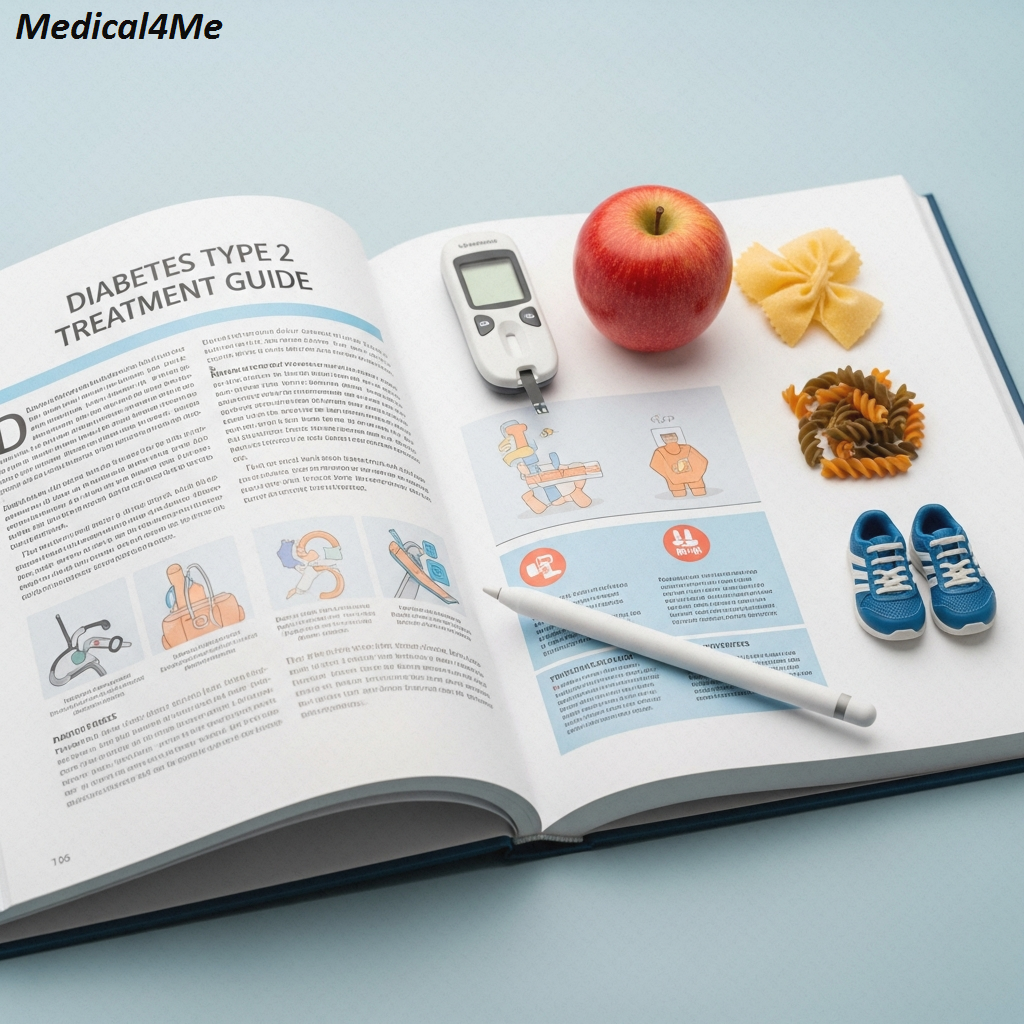
You don’t have to eat kale and ice cubes for the rest of your life. It’s about balance. It’s about moving your body so your cells get “hungry” for energy and open their doors to glucose again. Just 30 minutes of walking a day works wonders.
Medical Options
Sometimes, lifestyle isn’t enough, and that is okay. There is no shame in needing medicine. I mentioned in recent posts that modern medications are smart—they don’t just lower sugar; they protect your heart and kidneys too.
Here are the heavy hitters we use most often:
- Metformin: This is usually the first line of defense. It lowers the sugar your liver releases and helps your body use insulin better.
- Side Effects: Can cause an upset stomach or diarrhea initially, but taking it with food helps.
- Jardiance (Empagliflozin): This is a newer class of drug (SGLT2 inhibitors). It works by helping your kidneys pee out extra sugar.
- Side Effects: Can increase the risk of urinary tract infections or yeast infections.
- Glipizide: This stimulates your pancreas to release more insulin.
- Side Effects: Can sometimes cause low blood sugar (hypoglycemia) if you skip a meal.
Pros & Cons of Treatment Paths
| Treatment Approach | Pros | Cons |
|---|---|---|
| Lifestyle Only | No side effects; improves overall health; free. | Takes high discipline; results can be slow; may not be enough for everyone. |
| Metformin | Very safe (used for decades); cheap; protects the heart; doesn’t cause weight gain. | Gastrointestinal issues (stomach upset) are common in the first week. |
| SGLT2 Inhibitors (e.g., Jardiance) | Protects kidneys and heart; helps with weight loss; lowers blood pressure. | More expensive; risk of genital infections; increases urination frequency. |
As WHO data shows, access to these treatments allows people to live long, healthy lives.
Red Flags
While I want you to stay positive, I also need you to be vigilant. You need to know when to call your doctor immediately.
If you ever feel shaky, sweaty, and confused, your sugar might be too low (Hypoglycemia). On the other hand, if your sugar stays high for years unchecked, it damages the tiny blood vessels in your eyes and feet.
This is why we check your feet. This is why we check your eyes. We are protecting your future.
Frequently Asked Questions My Patients Ask
Yes, absolutely. Many patients who make significant lifestyle changes can go into remission and stop medication, though they still need to monitor their levels.
Yes! Fruit has fiber, which slows down sugar absorption. A whole apple is great; apple juice is what you want to avoid.
No. Stop blaming yourself. It is a complex mix of genetics, environment, and biology. Sugar is a factor, but it is not the sole villain.
Not at all. You cannot give this to your partner or children like a cold.
Big time. Stress releases hormones like cortisol that spike your blood sugar. Mental health is part of physical health.
My Final Professional Advice
I want to leave you with this thought.
A diagnosis of Diabetes Type 2 is a fork in the road. You can ignore it, which leads to a difficult path, or you can engage with it. Just like with other conditions we treat, the patients who stay curious and compassionate with themselves are the ones who thrive.
You are stronger than a number on a lab report. You have options, you have support, and now, you have a plan.
Go get some sleep. You’ve got this.

Medically Reviewed By
Dr. Saqlain Mushtaq, MBBS
Lead Medical Author, Medical4Me.com
About Our Editorial Process
💬 Share Your Experience
Share your thoughts, questions, or personal tips below. Our community and editorial team value respectful and insightful discussions.