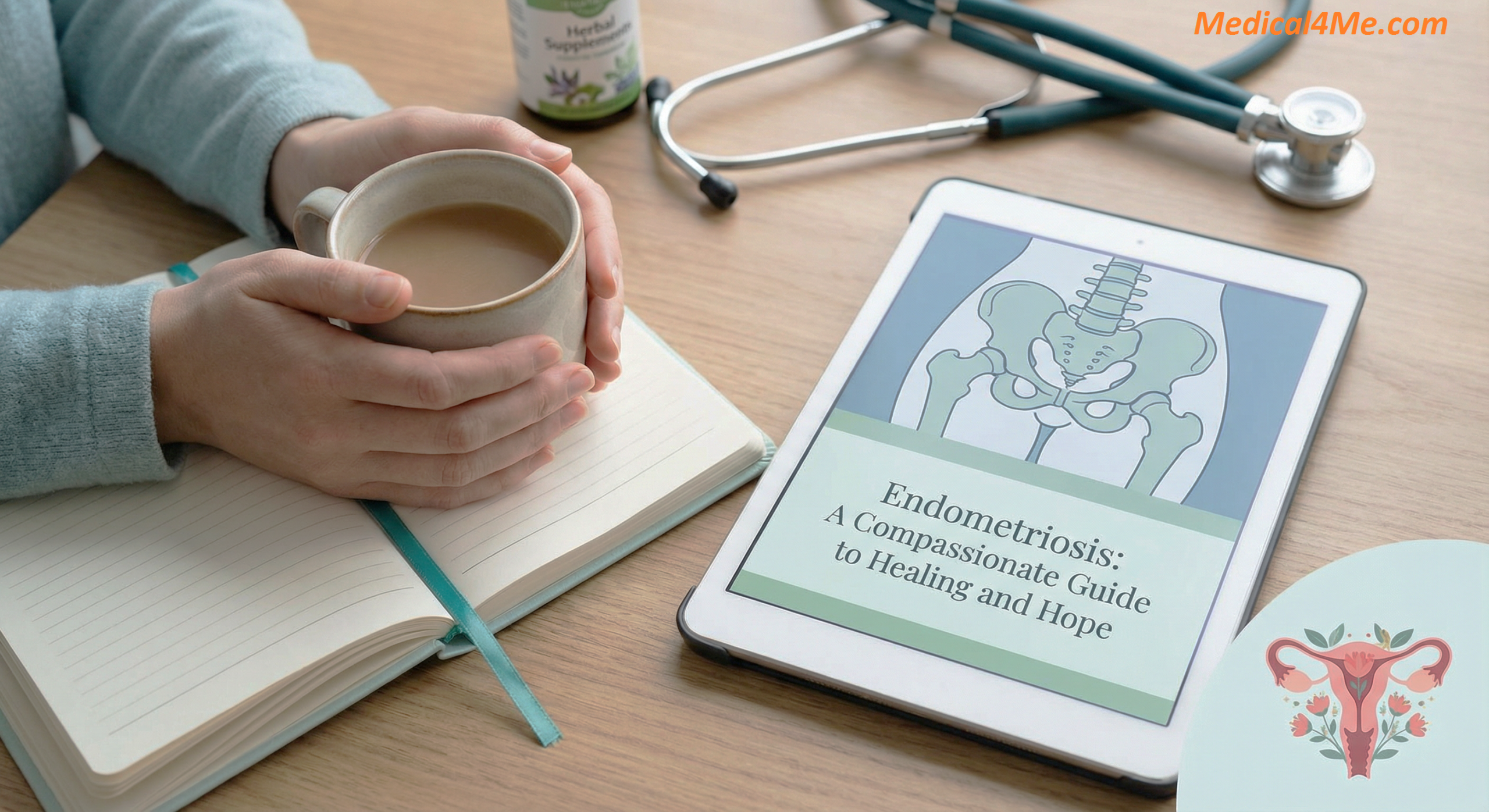
Endometriosis
I recently met a young woman named Ayesha. She’s tough—she runs her own business and balances a chaotic life with two kids. But she told me something that stopped me in my tracks. “Doctor,” she said, tears welling up, “for ten years, everyone told me the pain was in my head. They said I was just weak.”
Hearing that just breaks my heart. Because Ayesha isn’t alone. It is estimated that 1 in 10 women worldwide suffers from endometriosis, yet the average time it takes to get diagnosed is a staggering 7 to 10 years. That is a decade of unanswered questions and silent suffering.
So, here’s the thing: If you are reading this because you are curled up with a heating pad, wondering why your body feels like it’s fighting a war, I want you to know something. You aren’t crazy. You aren’t weak. And you certainly aren’t imagining it. This guide is for you, and for Ayesha, and for the millions navigating this tricky path.

What Actually Is Endometriosis?
There is a lot of confusion about what this condition actually is. Some people think it’s just “extra skin,” but it’s much more complex. Endometriosis is a condition where tissue similar to the lining of the uterus (the endometrium) starts growing in places it absolutely shouldn’t be—like on your ovaries, fallopian tubes, and even your bowel or bladder.
The “Weeds in the Garden” Analogy
Think of your pelvis like a carefully tended rose garden. The uterus is the rose bed. Now, imagine resilient weeds starting to sprout up in the middle of the sidewalk, wrapped around the garden hose, or choking the other flowers. Every month, when the roses bloom (your period), these weeds also try to bloom and bleed. But unlike the roses, the blood from the weeds has nowhere to go. It gets trapped, causing inflammation, pain, and scar tissue.
This trapped tissue irritates the surrounding organs, leading to what we call “adhesions.” Basically, it’s like sticky glue that can bind organs together. I’ve seen patients whose ovaries were stuck to their uterus because of this.
As WHO data shows, this is a chronic inflammatory disease. It’s not just a reproductive issue; it’s a whole-body issue.
Recognizing Symptoms and Signs
It’s tricky because the amount of pain doesn’t always match the severity of the disease. You could have mild endometriosis and be in agony, or severe disease and feel nothing. But generally, there are patterns we look for.
I use a “Traffic Light” system to help my patients communicate their pain levels:
- 🟢 Mild (Green Light): You have cramping, sure, but a couple of ibuprofen and a chocolate bar handle it. You can still go to work or school.
- 🟡 Moderate (Yellow Light): The pain is distracting. You might need to take a sick day here and there. Maybe you experience heavy bleeding or pain during intercourse. Your energy levels dip significantly.
- 🔴 Severe (Red Light): This is the danger zone. We’re talking about pain so bad you vomit or pass out. Pain that radiates down your legs (sciatic pain). Pain when you go to the bathroom. This is a massive red flag for endometriosis.
Other sneaky signs? Chronic fatigue that sleep doesn’t fix, bloating (often called “endo belly”), and digestive issues that get worse during your cycle. If this sounds like your life, like I’ve discussed in other women’s health posts, it’s time to advocate for yourself.
Understanding Causes and Risk Factors
Honestly, we still don’t know the exact cause. It’s frustrating, I know. But science has given us a few strong theories.
- Retrograde Menstruation: This is the most common theory. It suggests that menstrual blood flows backward through the fallopian tubes into the pelvic cavity instead of leaving the body.
- Cellular Transformation: Hormones might transform cells outside the uterus into endometrial-like cells. It’s almost like a glitch in the body’s software.
- Genetics: If your mother or sister has it, you’re much more likely to have it. I see this “family curse” often in my practice.
- Immune System Disorders: Sometimes, the immune system fails to find and destroy this misplaced tissue like it’s supposed to.
But please, don’t blame yourself. You didn’t cause this by eating the wrong food or being too stressed. It’s biology.
The Diagnostic Journey
This is usually the hardest part. The average journey to a diagnosis involves seeing 4 to 5 doctors. It’s exhausting.
Here is what typically happens. You’ll go in, describe your pain, and might get an ultrasound. Now, here is the catch: Endometriosis often doesn’t show up on an ultrasound unless you have large cysts (called endometriomas). So, the doctor says, “Everything looks normal,” and you leave feeling defeated.
The Gold Standard
The only way to know for sure—100%—is through a procedure called a laparoscopy. It’s a minimally invasive surgery where a doctor puts a tiny camera into your belly button to actually look around. It’s like sending a scout team in to survey the land.
Recently, Mayo Clinic experts have been exploring biomarkers in saliva, which gives us hope for easier testing in the future. But for now, surgery remains the definitive answer.
Treatment Options Comparison
There is no cure yet, but there is management. And “management” doesn’t just mean “live with it.” It means reclaiming your quality of life.
| Treatment | How It Works | Best For |
|---|---|---|
| Pain Medication (NSAIDs) | Reduces inflammation and blocks pain signals. | Mild symptoms and flare-ups. |
| Hormonal Therapy | Birth control pills or IUDs to thin the lining and stop periods. | Managing symptoms and preventing new growth. |
| Laparoscopic Excision | Cutting out the tissue (not just burning it). This is the gold standard. | Long-term relief and improving fertility. |
| Pelvic Floor Therapy | Physical therapy to relax the muscles that have tensed up from years of pain. | Chronic pain and pain during intercourse. |
I always tell patients: burning the tissue (ablation) is like mowing the weeds—they grow back. Cutting them out (excision) is like digging up the roots.
Prevention and Lifestyle Strategies
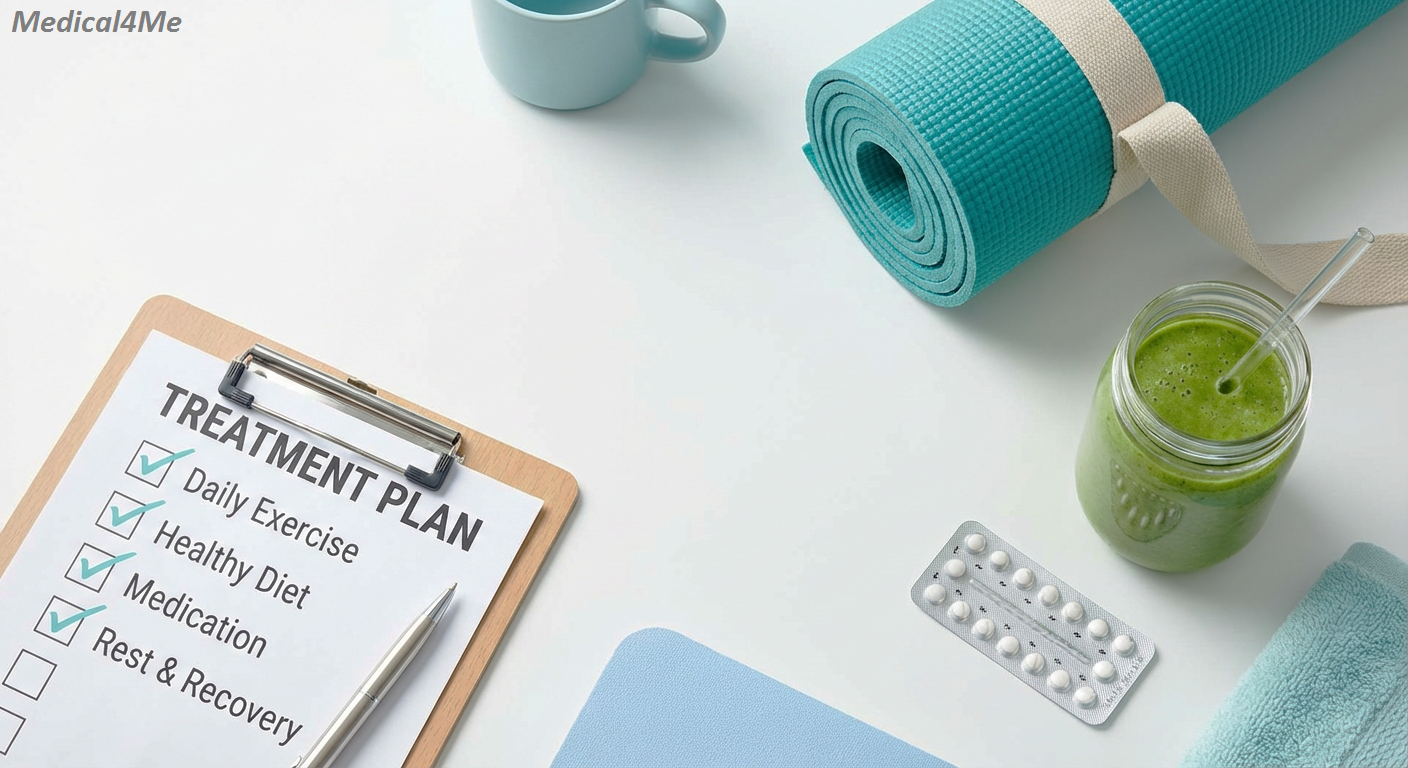
While you can’t prevent the disease itself, you can certainly lower the volume on the pain. Think of your body as a house; we want to reduce the fire hazards.
Inflammation is the enemy here. An anti-inflammatory diet can be a game-changer. This means fewer processed foods, less sugar, and more leafy greens and omega-3s. My patient Fatima swears by cutting out gluten and dairy—she says it reduced her bloating by half.
Also, never underestimate the power of heat. A warm bath or a high-quality heating pad can help relax those seizing pelvic muscles. And believe it or not, gentle movement like yoga helps. Staying still sometimes makes the stiffness worse.
When to Seek Medical Help
I need you to listen to me closely on this one.
⚠️ Emergency Warning Signs
If you experience sudden, sharp pain that makes you faint, nausea with fever, or you cannot pee, go to the ER. Ovarian cysts (which are common with endometriosis) can twist or burst, and that is a surgical emergency. Do not “tough it out.”
Furthermore, if you are struggling to get pregnant, don’t wait a year. Early intervention is key. See a specialist sooner rather than later.
A struggling of patient
Let me tell you about Fatima. She’s a brilliant graphic designer who lives in the city. She and her husband, Omar, had been trying for a baby for three years with no luck. Fatima had terrible periods since she was 14, but doctors just told her to “take an aspirin.”
When she finally came to our clinic, we did a laparoscopy. We found stage 4 endometriosis covering her ovaries. We carefully removed the tissue. Six months later, not only was her pain manageable for the first time in her life, but she walked into my office holding a positive pregnancy test. It wasn’t an easy road, but she got there.
Latest Research & Developments
The landscape is changing, thankfully. In late 2023 and 2025, researchers have been looking heavily into non-hormonal treatments. There is a specific focus on blocking the inflammatory pathways that cause the pain, rather than just shutting down the ovaries. Clinical trials are currently underway for drugs that target these specific pain receptors.
Frequently Asked Questions
It’s a mix of normalized pain (women being told pain is “normal”) and the fact that it requires surgery for a definitive diagnosis. Symptoms also mimic other gut issues like IBS, leading to misdiagnosis.
Yes, many women do. While the condition can cause scarring that blocks tubes or inflammation that affects egg quality, plenty of women conceive without intervention. Others may need IUI or IVF.
Usually, symptoms improve significantly after menopause because estrogen levels drop. However, for some, scar tissue formed over the years can still cause discomfort. It’s not a guaranteed “off switch.”
No, it is benign (not cancer). However, having it does slightly increase the risk of certain rare types of ovarian cancer, so regular check-ups are important.
Anti-inflammatory foods, peppermint tea, and avoiding trigger foods like gluten or alcohol can help. Some patients find relief with lymphatic drainage massage as well.
You Are Your Best Advocate
I know this is a heavy topic. Living with chronic pain wears down your soul. But please remember Ayesha and Fatima. They found their answers, and you can too. Trust your body. If something feels wrong, keep asking questions until someone listens.
You deserve to live a life that isn’t dictated by your pain cycle. We are here to help you find that path here at Medical4Me.
This content is for informational purposes only and is not a substitute for professional medical advice, diagnosis, or treatment. Always seek the advice of your physician or other qualified health provider with any questions you may have regarding a medical condition. Never disregard professional medical advice or delay in seeking it because of something you have read on Medical4Me.com.
💬 Share Your Experience
Share your thoughts, questions, or personal tips below. Our community and editorial team value respectful and insightful discussions.