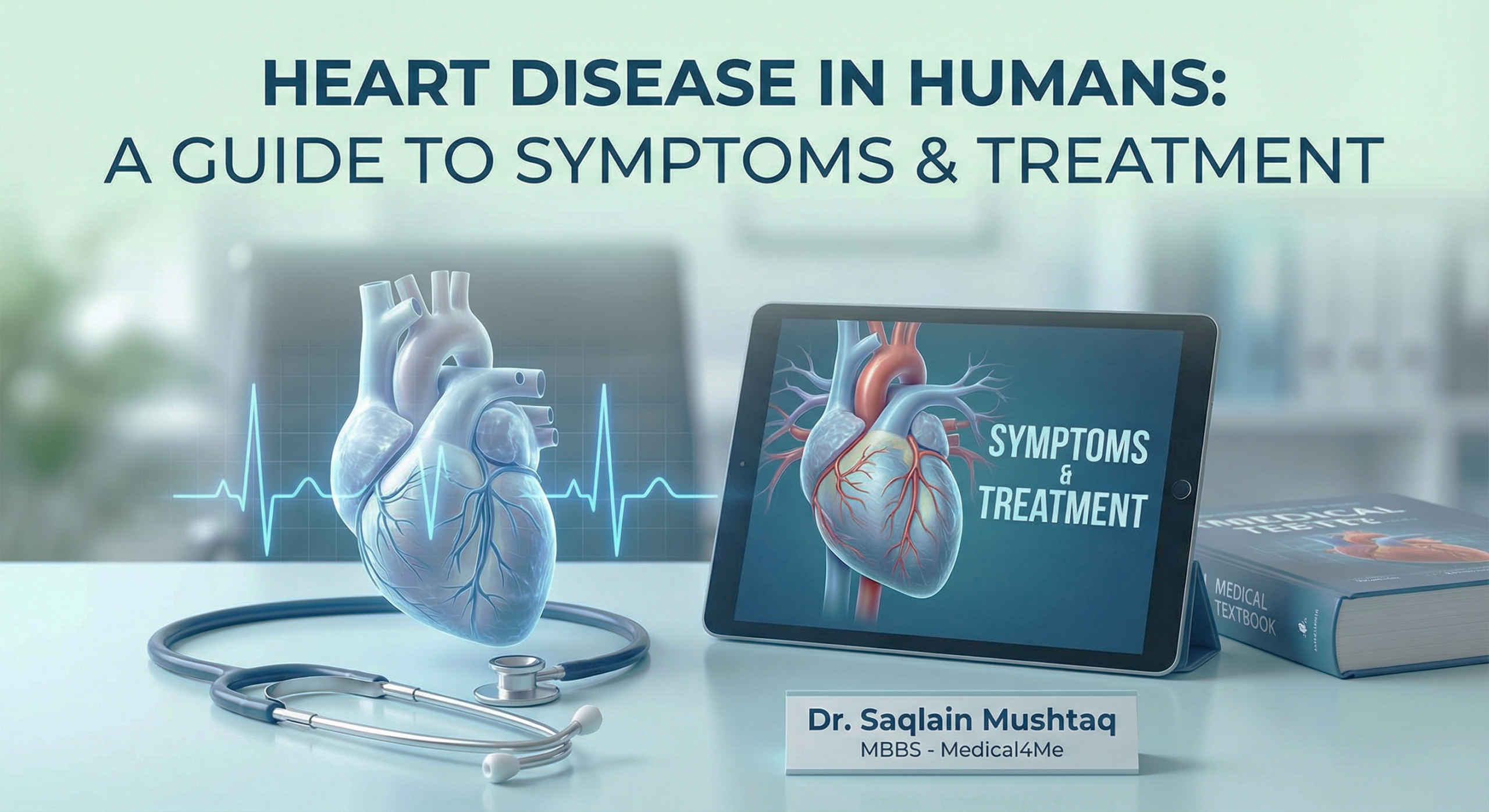
Heart Disease in Humans: A Complete Guide
We are going to walk through this together, step by step. I’m going to explain Heart Disease in Humans just like I would if we were sitting in my living room with a cup of tea. No jargon, no scary medical talk—just the truth.
What Heart Disease in Humans Really Is
Let’s strip away the scary Latin words. Think of your heart like the engine of a classic, reliable car that you drive every single day. It’s a masterpiece of engineering, designed to keep running for decades. But, like any engine, it relies on a series of fuel lines (your arteries) to keep the pistons pumping.
Heart Disease in Humans is basically what happens when those fuel lines get clogged or the electrical wiring starts to glitch. It’s not usually one sudden event; it’s often a slow build-up of “gunk”—what we call plaque—inside the pipes.
To be perfectly honest, the medical community is still exploring the precise mechanism of why plaque ruptures when it does. We know it happens, and we know how to treat it, but the exact “trigger moment” remains a bit of a mystery in some cases. However, what we do know is that it’s manageable. It’s not a sentence; it’s a signal that the engine needs a tune-up.
Recognizing the Symptoms
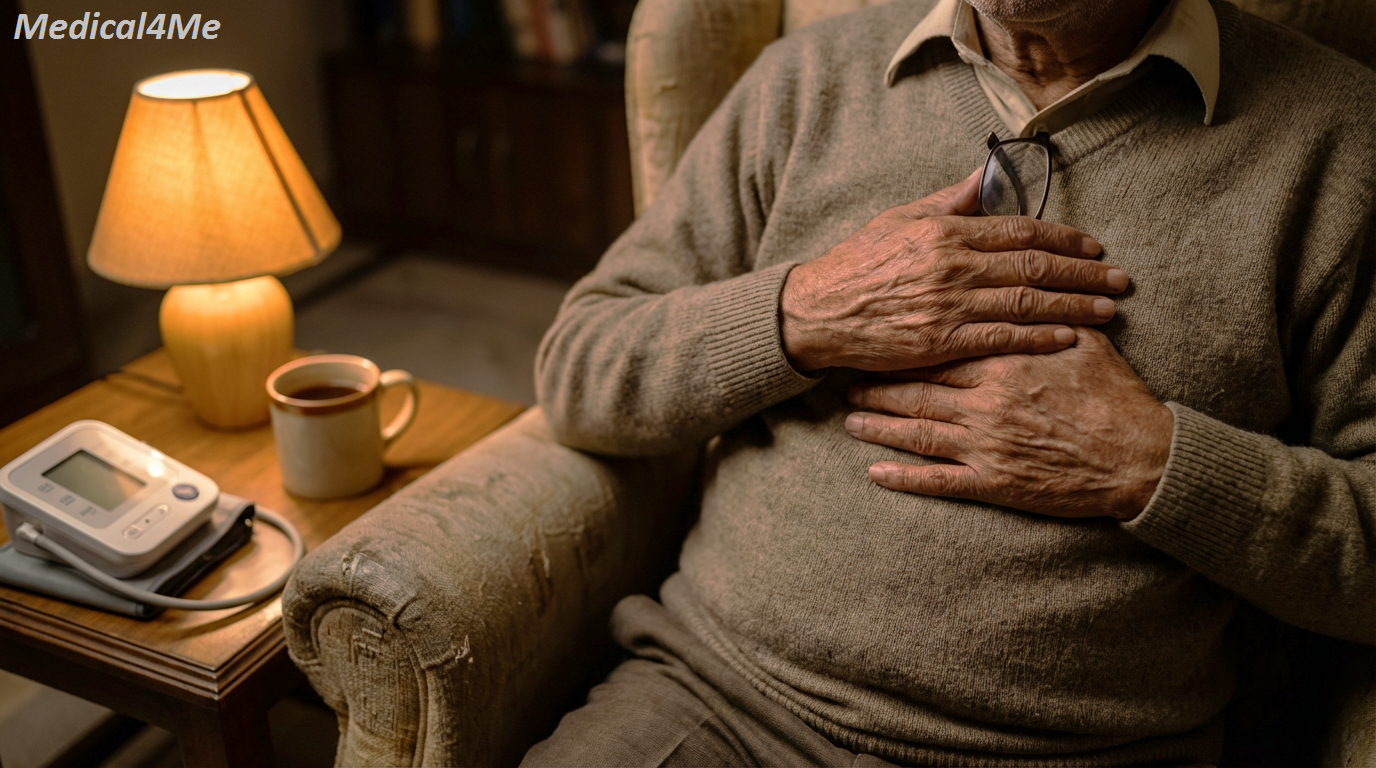
It’s easy to think a heart problem always looks like the movies—a guy clutching his chest and falling over. But in reality, it’s often much quieter than that.
I remember meeting a patient named Arthur. He was a 52-year-old librarian, a gentle soul who loved his garden. Arthur didn’t have chest pain. Instead, he told me, “Saqlain, I just can’t seem to carry the groceries up the stairs anymore without feeling like I’ve run a marathon.” He thought he was just getting old. My first thought when a patient describes this specific kind of fatigue is always, we need to look at the pump, not the muscles.
Arthur’s “tiredness” was actually his heart whispering for help. Because symptoms can be subtle, here is a list of what you should actually look for:
- Chest discomfort: It might feel like pressure, squeezing, or fullness rather than sharp pain.
- Shortness of breath: Especially if it happens when you are lying flat or doing minor physical tasks.
- Radiating pain: Discomfort that travels to the neck, jaw, back, or down the left arm.
- Cold sweat: Breaking out in a sweat without exercising.
- Nausea: Sometimes, it just feels like bad indigestion that won’t go away.
Root Causes
This is where people often blame themselves, and I want you to stop that right now. Yes, lifestyle matters, but biology is complex.
Take Elena, for example. She was a 34-year-old yoga instructor—fit, ate only organic food, the picture of health. Yet, she ended up in my office with high blood pressure and early signs of heart strain. Why? Genetics. Her father had heart trouble, and his father before him.
Heart Disease in Humans is rarely caused by just one thing. It is usually a mix of factors:
- High Blood Pressure: This pushes against the artery walls, damaging them over time.
- High Cholesterol: The “gunk” that builds up in the damaged spots.
- Smoking: This is like pouring sand into your gas tank. It damages the lining of the blood vessels.
- Diabetes: High sugar levels act like slow-acting acid on your nerves and blood vessels.
You can read more about these specific risk factors on the CDC guidelines state page, which breaks down the statistics beautifully.
The Diagnostic Journey
If you come to see me, or any doctor, worried about your heart, we aren’t going to guess. We have a very specific roadmap to figure out what’s going on. Here is what that journey usually looks like:
- The History: We just talk. I ask about your family, your habits, and those weird feelings you’ve been ignoring.
- Physical Exam: I listen to your heart sounds for “murmurs” (whooshing noises) and check your pulse.
- Blood Tests: We check for cholesterol, sugar, and specific proteins that indicate heart stress.
- ECG (Electrocardiogram): We stick some stickers on your chest to look at the electrical rhythm. It’s painless and takes five minutes.
- Stress Test: If you can, we have you walk on a treadmill to see how your heart behaves when it has to work a bit harder.
- Echocardiogram: This is just an ultrasound of your heart. We can actually see the valves opening and closing on a screen.
For more complex cases, we might look deeper, much like with other conditions we treat here at Medical4Me, to ensure we don’t miss anything.
Treatment Reality
Okay, this is the part where you might feel anxious, but listen: the treatments we have today are incredible. We aren’t in the dark ages anymore.
Lifestyle Changes
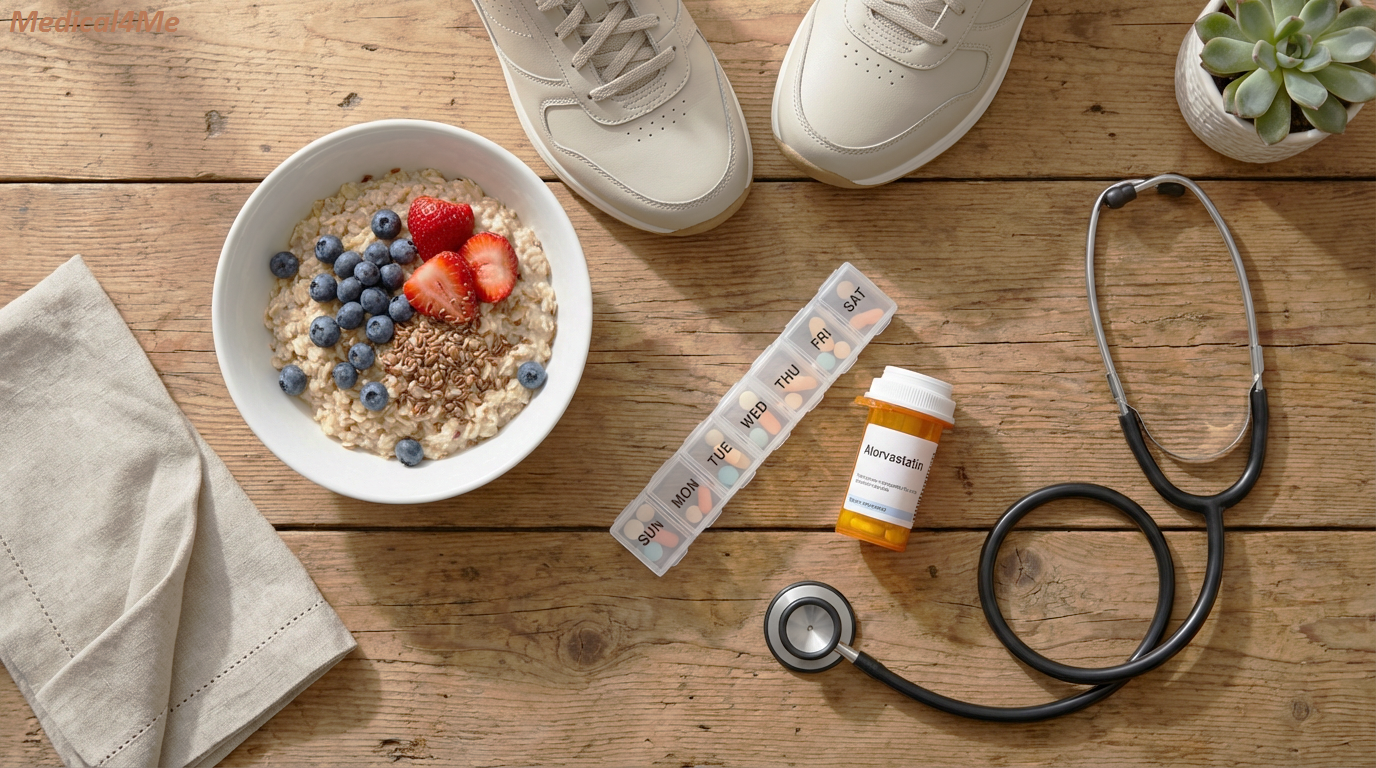
Before we even talk about pills, we look at your day-to-day life. It’s not about becoming a marathon runner overnight. It’s about small shifts. Swapping soda for water. Taking a 20-minute walk after dinner. reducing salt. These small changes compound over time.
Medical Options
If lifestyle isn’t enough, we have powerful tools. I want to be specific here because vague advice doesn’t help anyone.
Commonly, we use Statins (like Atorvastatin or Rosuvastatin). These drugs work by blocking a substance your body needs to make cholesterol. They are fantastic at stabilizing plaque so it doesn’t rupture. However, some people might experience muscle soreness as a side effect.
Another common class is ACE Inhibitors (like Lisinopril). These help relax your blood vessels, lowering blood pressure and making it easier for the heart to pump. A common quirk with these is a dry, tickly cough in some patients.
To give you a clearer picture, let’s look at a comparison between managing this with just medication versus a more invasive procedure like stenting, assuming the blockage isn’t critical yet.
| Feature | Medication Therapy (Statins/Beta-blockers) | Stenting (Angioplasty) |
|---|---|---|
| Primary Goal | Stabilizes plaque and prevents future growth. | Physically opens a blocked artery immediately. |
| Invasiveness | Non-invasive (daily pills). | Minimally invasive (catheter through wrist/groin). |
| Recovery Time | Immediate (ongoing management). | Short (a few days to a week). |
| Cons | Potential side effects (fatigue, muscle pain). | Risk of bleeding or re-narrowing over time. |
| Best For | Stable heart disease and prevention. | Active heart attacks or severe symptoms. |
As the Mayo Clinic explains, the choice often depends on exactly how much the blood flow is restricted.
Red Flags
I want to tell you about Malik, a 50-year-old accountant. He’s fine now, but he ignored the red flags for too long. He felt a “heavy weight” on his chest every time he got angry or stressed, but it would go away when he sat down. He ignored it until he couldn’t.
Please, if you experience any of the following, don’t call me. Call 911 immediately.
- Chest pain that lasts more than a few minutes or goes away and comes back.
- Pain spreading to your left arm, back, or jaw.
- Sudden, severe shortness of breath.
- Fainting or extreme weakness.
Frequently Asked Questions My Patients Ask
In some cases, yes. Strict lifestyle changes and medication can shrink plaque and improve function, but it requires dedication.
It can be. If your parents or siblings had heart issues early in life, your risk is higher, but it’s not a guarantee you will get it.
Not necessarily. The science on dietary cholesterol has evolved. Saturated fat (like in bacon or butter) is generally a bigger concern than eggs.
Chronic stress releases hormones like cortisol that can raise blood pressure and damage arteries over time.
Yes. Women are more likely to have “silent” symptoms like nausea, fatigue, or back pain rather than the classic chest clutch.
While some studies suggest mild benefits from red wine, generally, alcohol can raise blood pressure and weaken the heart muscle. Moderation is key.
No. You should be aware. Being the #1 killer means we also have the most research, funding, and treatments for it.
My Final Professional Advice
I mentioned in recent posts that knowledge is your best prescription. Heart Disease in Humans sounds like a massive, scary monster. But when you break it down, it’s just plumbing and electricity.
You have control here. You can choose what you eat for your next meal. You can choose to walk around the block today. You can choose to see a doctor and get that check-up you’ve been putting off.
So, turn off the scary websites. Go to sleep. And tomorrow, make one small choice for your heart. You’ve got this, and I’m right here rooting for you.

Medically Reviewed By
Dr. Saqlain Mushtaq, MBBS Lead Medical Author, Medical4Me.com About Our Editorial Process
💬 Share Your Experience
Share your thoughts, questions, or personal tips below. Our community and editorial team value respectful and insightful discussions.