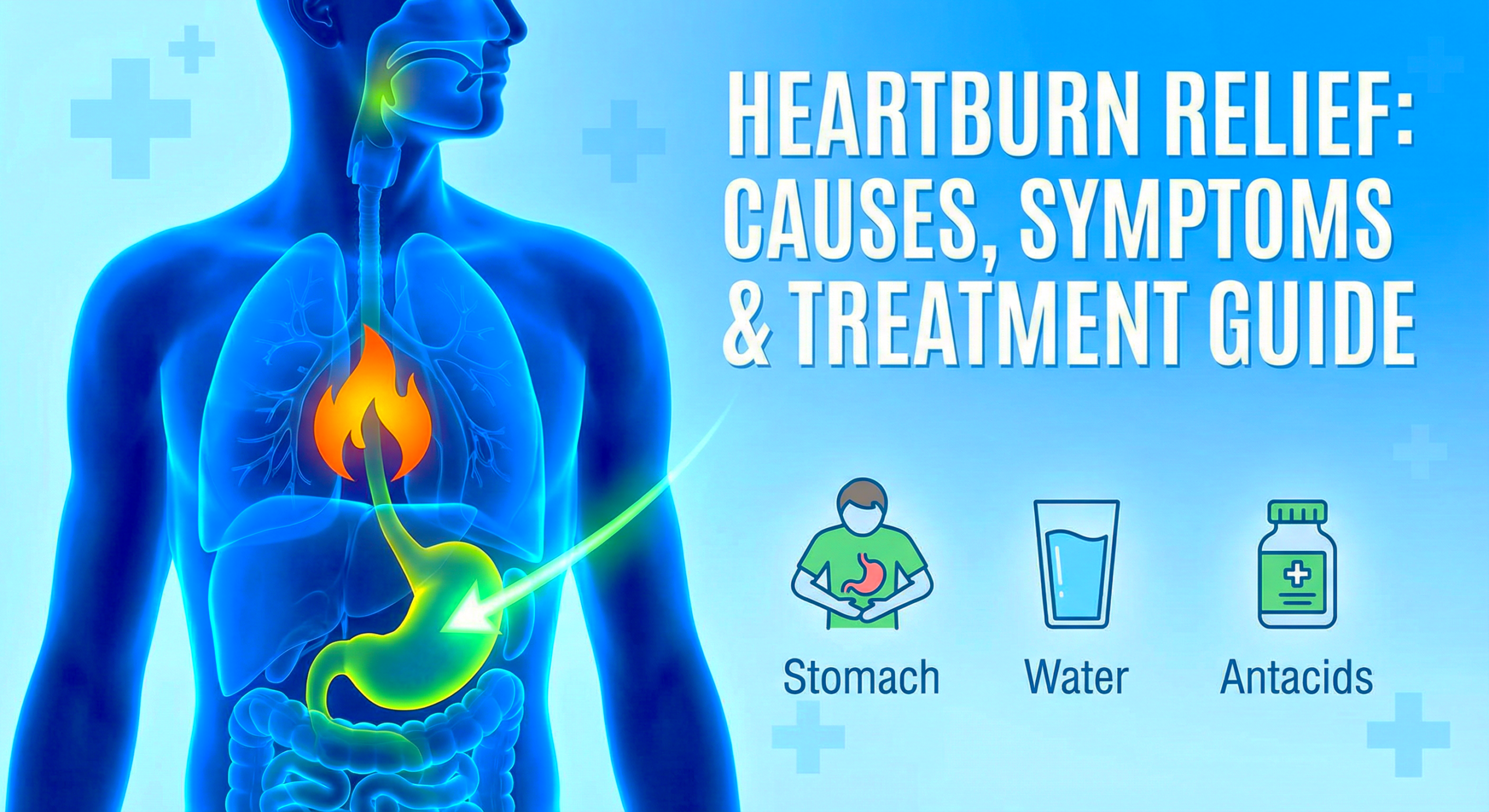
Heartburn Relief: Your Complete Guide to Causes, Symptoms & Effective Treatment
You know that burning sensation that creeps up from your stomach into your chest after a big meal? That uncomfortable feeling that makes you reach for the antacids? Yeah, that’s heartburn. And if you’re dealing with it, you’re definitely not alone in this.
Here’s a number that might surprise you – according to the National Institute of Diabetes and Digestive and Kidney Diseases, roughly 20% of Americans experience heartburn at least once a week. That’s millions of people searching for relief, trying to figure out what’s causing their discomfort, and wondering if they should be worried.
I’ve seen so many patients walk into clinics feeling frustrated because they can’t enjoy their favorite foods anymore. Some folks have been dealing with this for years before finally seeking help. And honestly? Most of them wish they’d learned more about managing their symptoms sooner.
In this guide, I’m going to walk you through everything you need to know about heartburn – from what’s actually happening in your body to the treatment options that really work. Whether you’re experiencing occasional acid indigestion or dealing with more frequent episodes, you’ll find practical information here at Medical4Me that can help.
What is Heartburn Exactly?
🔥 Understanding Heartburn
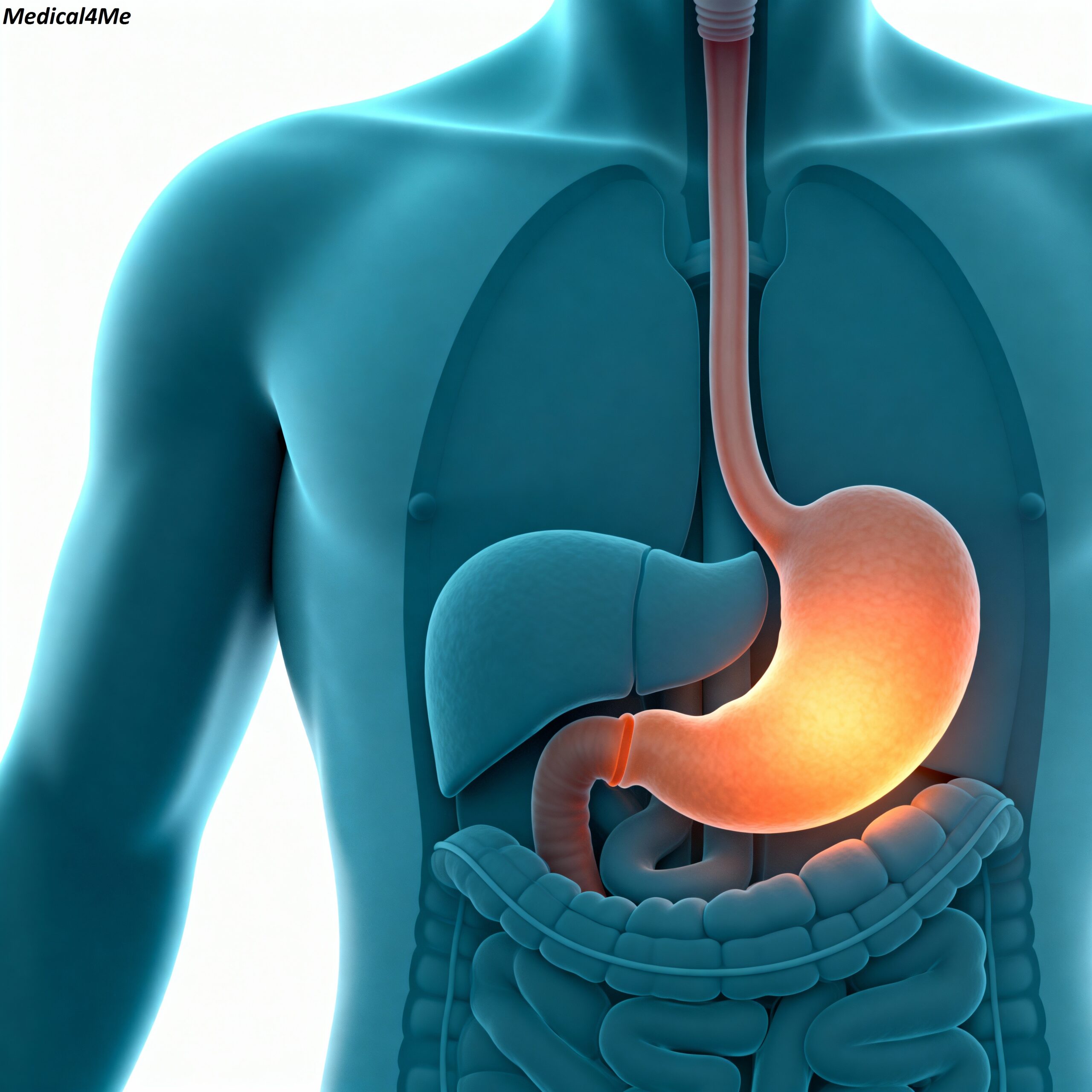
Heartburn is a burning sensation in your chest, usually behind your breastbone. It happens when stomach acid backs up into your esophagus – the tube that carries food from your mouth to your stomach. Despite its name, heartburn has nothing to do with your heart. The burning feeling just happens to occur in the same general area.
So here’s what’s going on inside your body. At the bottom of your esophagus, there’s a ring of muscle called the lower esophageal sphincter (LES). Think of it like a one-way door. Normally, it opens to let food into your stomach and then closes tight to keep everything where it belongs.
But sometimes that door doesn’t close properly. Or it opens when it shouldn’t. When that happens, acidic stomach contents splash back up into your esophagus. Your esophagus lining isn’t designed to handle that acid – unlike your stomach, which has special protective mucus. So you feel that characteristic burning.
The interesting thing is that heartburn can feel different for different people. Some describe it as a burning pain. Others say it feels more like pressure or tightness. A few people even mistake severe heartburn for a heart attack, which is why doctors take chest pain complaints seriously.
Quick Tip: The terms “heartburn” and “acid reflux” are often used interchangeably, but they’re slightly different. Acid reflux is the actual process of stomach contents flowing backward. Heartburn is the symptom – that burning feeling you experience as a result.
Recognizing Heartburn Symptoms and Signs
Knowing what heartburn feels like helps you identify it and distinguish it from other conditions. Let me break down the symptoms by how serious they typically are.
🟢 Mild Symptoms
- A slight burning sensation behind your breastbone
- Feeling that appears after eating and goes away fairly quickly
- A sour taste in your mouth occasionally
- Minor discomfort when lying down after meals
- Occasional burping with an acidic taste
🟡 Moderate Symptoms
- Burning that lasts for 30 minutes or longer
- Difficulty swallowing or feeling like food is stuck
- Regurgitation of food or sour liquid into your throat
- Persistent cough, especially at night
- Hoarseness or sore throat that won’t go away
- Symptoms occurring several times per week
🔴 Severe Symptoms
- Intense chest pain that radiates to your arm, neck, or jaw
- Shortness of breath along with chest discomfort
- Unexplained weight loss
- Vomiting blood or material that looks like coffee grounds
- Black, tarry stools
- Severe difficulty swallowing
⚠️ When It’s an Emergency
If you experience crushing chest pain, especially with shortness of breath, sweating, or pain spreading to your arm or jaw, call 911 immediately. These could be signs of a heart attack, not heartburn. Better to check and be safe than ignore something serious.
Understanding What Causes Heartburn
Figuring out why you’re getting heartburn is half the battle in treating it. The causes are usually a combination of lifestyle factors and physical conditions. Let me walk you through the most common ones.
1. Food and Drink Triggers
Certain foods relax that lower esophageal sphincter I mentioned earlier, making it easier for acid to escape. Common culprits include:
- Spicy dishes (that jalapeño burger might taste amazing going down…)
- Citrus fruits and juices
- Tomatoes and tomato-based products
- Chocolate (sorry, I know that one hurts)
- Coffee and caffeinated beverages
- Alcohol, especially red wine
- Fatty or fried foods
- Peppermint and spearmint
2. Eating Habits
It’s not just what you eat but how you eat. Eating large meals puts more pressure on your stomach. Eating too quickly means you swallow more air. And lying down right after eating? That’s basically inviting acid to travel upward.
3. Body Weight
Extra weight around your midsection puts pressure on your abdomen, which pushes stomach contents upward. Studies from the Mayo Clinic show that even moderate weight loss can significantly reduce heartburn frequency.
4. Pregnancy
Pregnant women often develop heartburn, especially in the third trimester. The growing uterus puts pressure on the stomach, and hormonal changes relax the LES. It’s one of those frustrating pregnancy symptoms that usually resolves after delivery.
5. Medications
Some medications can trigger or worsen heartburn. These include:
- Aspirin and ibuprofen (NSAIDs)
- Certain blood pressure medications
- Some antibiotics
- Iron supplements
- Potassium supplements
6. Medical Conditions
Hiatal hernia – where part of your stomach pushes up through your diaphragm – is a common cause of persistent heartburn. Gastroparesis (delayed stomach emptying) and connective tissue disorders can also contribute.
According to CDC data, digestive disorders affect millions of Americans annually, with acid reflux being among the most prevalent complaints.
The Diagnostic Journey: What to Expect
If you’re dealing with heartburn more than twice a week, or if over-the-counter treatments aren’t cutting it, seeing a doctor makes sense. Here’s what typically happens during the diagnostic process.
Initial Consultation
Your physician will start by asking about your symptoms. How often do they occur? What makes them better or worse? Do certain foods trigger episodes? They’ll also review your medical history and any medications you’re taking.
Most doctors can diagnose occasional heartburn based on your description alone. But if symptoms are frequent or severe, they might recommend further testing.
Common Diagnostic Tests
Upper Endoscopy (EGD): A thin, flexible tube with a camera goes down your throat so the doctor can visually examine your esophagus and stomach. It sounds scarier than it is – you’re sedated, and most people don’t remember much. This test can reveal inflammation, ulcers, or other problems.
pH Monitoring: A small device measures acid levels in your esophagus over 24-48 hours. This helps determine how often acid reflux occurs and how long each episode lasts.
Esophageal Manometry: This test measures the muscle contractions in your esophagus and how well your LES is working.
Barium Swallow: You drink a chalky liquid that shows up on X-rays, allowing doctors to see the shape of your upper digestive tract.
What I Tell Patients: Don’t be nervous about these tests. They provide valuable information that helps us create the right treatment plan for you. And knowing exactly what’s going on is always better than guessing.
Treatment Options That Actually Work
Good news – heartburn is very treatable. The approach depends on how often you experience symptoms and how severe they are. Let’s look at your options.
| Treatment Type | How It Works | Best For | Effectiveness |
|---|---|---|---|
| Antacids (Tums, Rolaids) | Neutralize existing stomach acid | Occasional, mild symptoms | Quick relief, short-lasting |
| H2 Blockers (Pepcid, Zantac) | Reduce acid production | Frequent symptoms, nighttime relief | Moderate, lasts 8-12 hours |
| PPIs (Prilosec, Nexium) | Block acid production at the source | Chronic heartburn, GERD | Very effective for healing |
| Lifestyle Changes | Address root causes | All severity levels | Long-term solution |
| Surgery (Fundoplication) | Strengthens LES mechanically | Severe cases, medication failure | 85-90% success rate |
Over-the-Counter Medications
Antacids work fast – usually within minutes. They’re great for occasional heartburn after a spicy meal. But they wear off quickly and don’t prevent future episodes. Taking them too frequently can cause diarrhea or constipation.
H2 Receptor Blockers like famotidine take longer to kick in (30-60 minutes) but last much longer. They’re a good choice if you know you’ll be eating something triggering or want nighttime relief.
Proton Pump Inhibitors (PPIs) are the heavy hitters. They block acid production more completely than H2 blockers. But they need time to build up in your system – you won’t feel full effects for a few days. They’re meant for short-term use (2-8 weeks) unless your doctor says otherwise.
Prescription Treatments
If OTC options aren’t doing the job, your doctor might prescribe stronger versions of PPIs or H2 blockers. They might also recommend prokinetics – medications that help your stomach empty faster.
For people with damage to their esophagus, prescription treatment becomes more aggressive to promote healing and prevent complications.
Surgical Options
Surgery is usually reserved for people who can’t tolerate medications, don’t respond to them, or have anatomical issues like a large hiatal hernia. The most common procedure is fundoplication, where the surgeon wraps the top of the stomach around the LES to strengthen it.
Newer, less invasive procedures are also available. LINX is a ring of magnetic beads placed around the LES. The magnets are strong enough to keep the valve closed but weak enough to allow food through.
Prevention Strategies That Make a Real Difference
Honestly, preventing heartburn beats treating it every time. Here are strategies that actually work – organized by how often you should think about them.
Daily Habits
- Eat smaller, more frequent meals instead of three large ones
- Chew your food slowly and thoroughly
- Stay upright for at least 2-3 hours after eating
- Avoid eating within 3 hours of bedtime
- Wear loose-fitting clothing that doesn’t compress your abdomen
- Sleep with your head elevated 6-8 inches
Weekly Goals
- Track your food intake to identify personal triggers
- Get regular moderate exercise (but not right after eating)
- Practice stress management techniques
- Review your eating patterns and make adjustments
Long-term Lifestyle Changes
- Achieve and maintain a healthy weight
- Quit smoking – it weakens the LES and increases acid production
- Limit alcohol consumption
- Work with your doctor to adjust problematic medications if possible
Pro Tip: Keep a symptom journal. Write down what you eat, when you eat it, and when symptoms occur. Patterns often emerge that you’d never notice otherwise. This information is incredibly helpful when working with your healthcare provider.
When You Should See a Doctor
I understand that nobody wants to run to the doctor for every little thing. But there are times when professional evaluation isn’t optional.
🚨 Seek Medical Attention If You Experience:
- Heartburn that occurs more than twice weekly for several weeks
- Symptoms that persist despite using OTC medications properly
- Difficulty swallowing or pain when swallowing
- Persistent nausea or vomiting
- Unexplained weight loss
- Signs of bleeding (vomiting blood, black stools)
- Chest pain with shortness of breath or arm/jaw pain (call 911)
- Chronic cough or hoarseness
- Feeling like food gets stuck in your throat
Untreated chronic heartburn can lead to complications. Barrett’s esophagus – where the esophageal lining changes due to repeated acid exposure – increases cancer risk. Esophageal strictures (narrowing) can make swallowing difficult. These problems are preventable with proper treatment.
A Patient’s Experience
Asad had been dealing with heartburn for almost three years before he finally decided to do something about it. Like a lot of people, he’d been popping antacids whenever symptoms flared up and trying to power through. “I just figured it was normal,” he told his doctor. “Everyone gets heartburn sometimes, right?”
But his symptoms had been getting worse. He was waking up at night with a burning throat. Coffee – something he genuinely loved – had become his enemy. After an endoscopy revealed inflammation in his esophagus, his physician started him on a PPI and worked with him on lifestyle modifications. Within two months, Asad was sleeping through the night again. He’s learned his triggers (spicy food and eating late) and manages them. “I wish I’d gotten help sooner,” he says now. “I didn’t realize how much it was affecting my quality of life until it wasn’t anymore.”
Latest Research and Developments
Medical understanding of heartburn and acid reflux continues to evolve. Here’s what recent research is telling us.
A 2023 study published in Gastroenterology found that the gut microbiome may play a larger role in acid reflux than previously thought. Researchers at Johns Hopkins discovered that certain bacterial imbalances correlate with increased GERD symptoms. This opens doors for potential probiotic-based treatments in the future.
Another interesting development involves potassium-competitive acid blockers (P-CABs), a newer class of acid suppressants. Studies from 2023-2025 show they work faster than traditional PPIs and may be more effective for nighttime symptoms. While not yet widely available everywhere, they represent a promising option for people who don’t respond well to current medications.
Research from the World Health Organization has also emphasized the connection between lifestyle factors and digestive disorders globally, highlighting the importance of prevention strategies alongside treatment.
There’s also growing interest in the role of stress and the gut-brain connection. A 2025 study involving over 15,000 participants found that stress management techniques reduced heartburn frequency by 32% in people with anxiety-related symptoms. This reinforces what many doctors have suspected – treating heartburn sometimes means treating the whole person.
Frequently Asked Questions About Heartburn
Most heartburn episodes last anywhere from a few minutes to a couple hours. If you’re experiencing symptoms that stick around for more than two weeks, even with over-the-counter medications, it’s time to see your doctor. Chronic heartburn might signal something more serious like GERD that needs proper medical attention and different treatment approaches.
Yes, sometimes heartburn can indicate underlying conditions. Frequent acid reflux might mean you have GERD. And here’s something that catches people off guard – heart attack symptoms can sometimes feel like severe heartburn. If your chest pain comes with shortness of breath, arm pain, or jaw discomfort, get emergency help immediately. Don’t take chances with these symptoms.
The biggest triggers include spicy foods, citrus fruits, tomatoes and tomato-based sauces, chocolate, coffee, alcohol, and fatty or fried foods. Peppermint can also cause problems for some folks. But honestly, everyone’s different. Keep a food diary to figure out your personal triggers – what bothers your neighbor might not bother you at all.
Taking antacids occasionally is generally fine for most people. But using them daily for weeks on end isn’t a great idea without talking to your physician first. Long-term use can cause side effects like diarrhea, kidney problems, or nutrient deficiencies. If you need relief that often, you probably need a different treatment approach altogether.
Absolutely. Stress doesn’t directly produce more stomach acid, but it does affect your digestive system in ways that make heartburn worse. When you’re stressed, you might eat faster, choose comfort foods that trigger symptoms, or experience slower digestion. Managing stress through exercise, meditation, or therapy can genuinely help reduce your symptoms over time.
Taking Control of Your Heartburn
Living with heartburn doesn’t have to be your reality. With the right combination of lifestyle changes, appropriate medications when needed, and awareness of your personal triggers, most people can manage their symptoms effectively.
Here’s what I want you to remember:
- Heartburn is common, but that doesn’t mean you should ignore it
- Simple changes like eating smaller meals and not lying down after eating can make a significant difference
- Over-the-counter medications work well for occasional symptoms
- Persistent or severe heartburn needs medical evaluation
- You have options – from lifestyle modifications to medications to surgical procedures
Don’t suffer in silence. Whether you’re dealing with occasional acid indigestion or more frequent episodes, help is available. Talk to your healthcare provider about what’s going on. Keep track of your symptoms. And take an active role in your treatment.
Your digestive comfort matters. And with the right approach, relief is absolutely possible.
For more information about digestive conditions and other health topics, explore our latest articles here at Medical4Me.
Medical Disclaimer: This content is for informational purposes only and is not a substitute for professional medical advice, diagnosis, or treatment. Always seek the advice of your physician or other qualified health provider with any questions you may have regarding a medical condition. Never disregard professional medical advice or delay in seeking it because of something you have read on Medical4Me.com.
💬 Share Your Experience
Share your thoughts, questions, or personal tips below. Our community and editorial team value respectful and insightful discussions.