Digital Biomarkers: The New Frontier in Parkinson’s Management
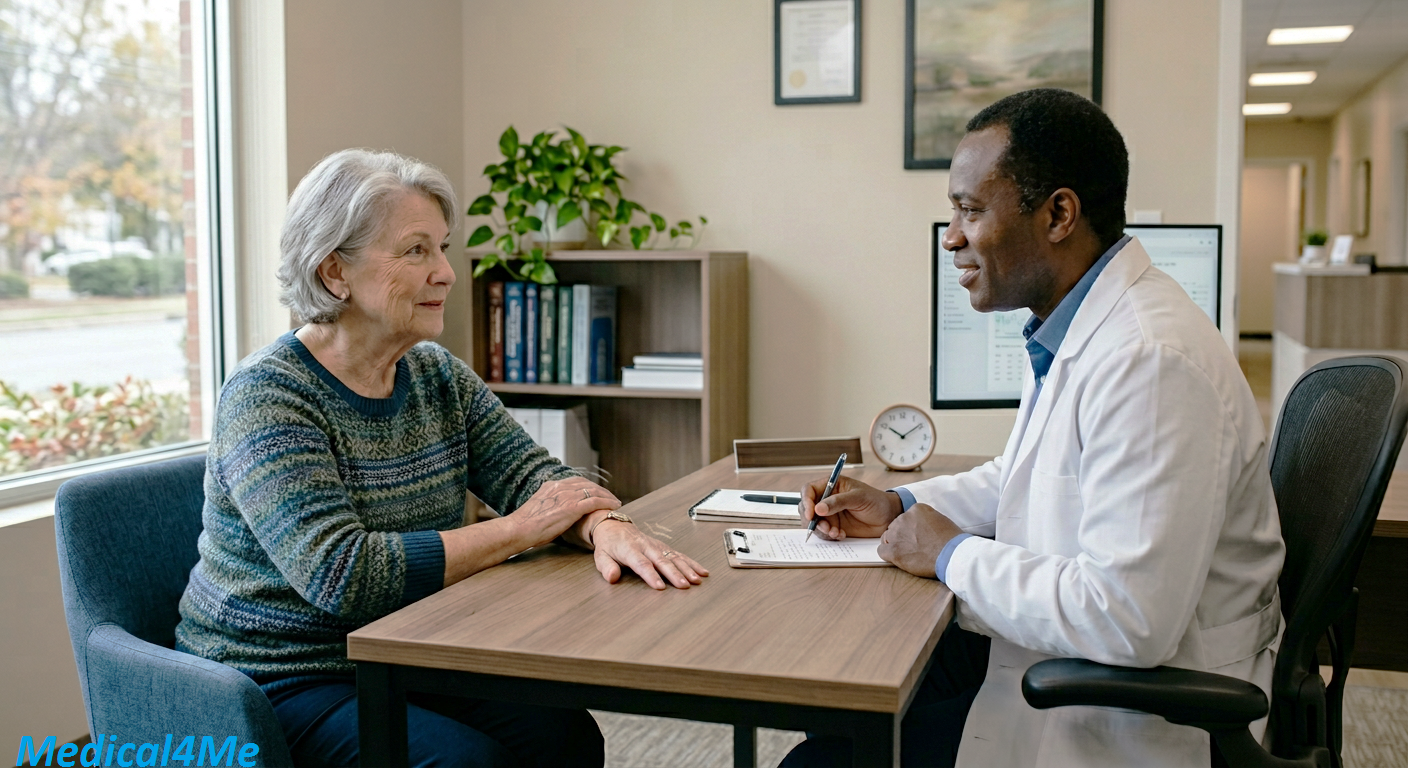
For decades, regimen for assessing neurological conditions had all the appeal of trying to figure out a movie by looking at just three still photographs. A patient would come into my clinic twice a year. I would watch them walk down the hallway and have them tap their fingers, and flex their wrists a little. Based on that little fifteen-minute window, I would have to guess how they were doing the other six months of the year.
As a result, patients often had fluctuating symptoms that I never really saw in the presence of. This is precisely the reason why the digital biomarkers are transforming our reality entirely.
Think of it this way. Imagine if you owned a car that every once in a while, it would spurt but then every time you took it to the mechanic, its engine would be purring like a dream. The mechanic is incapable of repairing something that he is unable to hear. Currently, think about hooking a miniaturized, intelligent diagnostic computer in to your dashboard which quietly logs all of your missed initiations and alterations in temperature as well as in gear shifts 24/7. When eventually you get back to the shop, the mechanic downloads the data, and sees the exact problem right away.
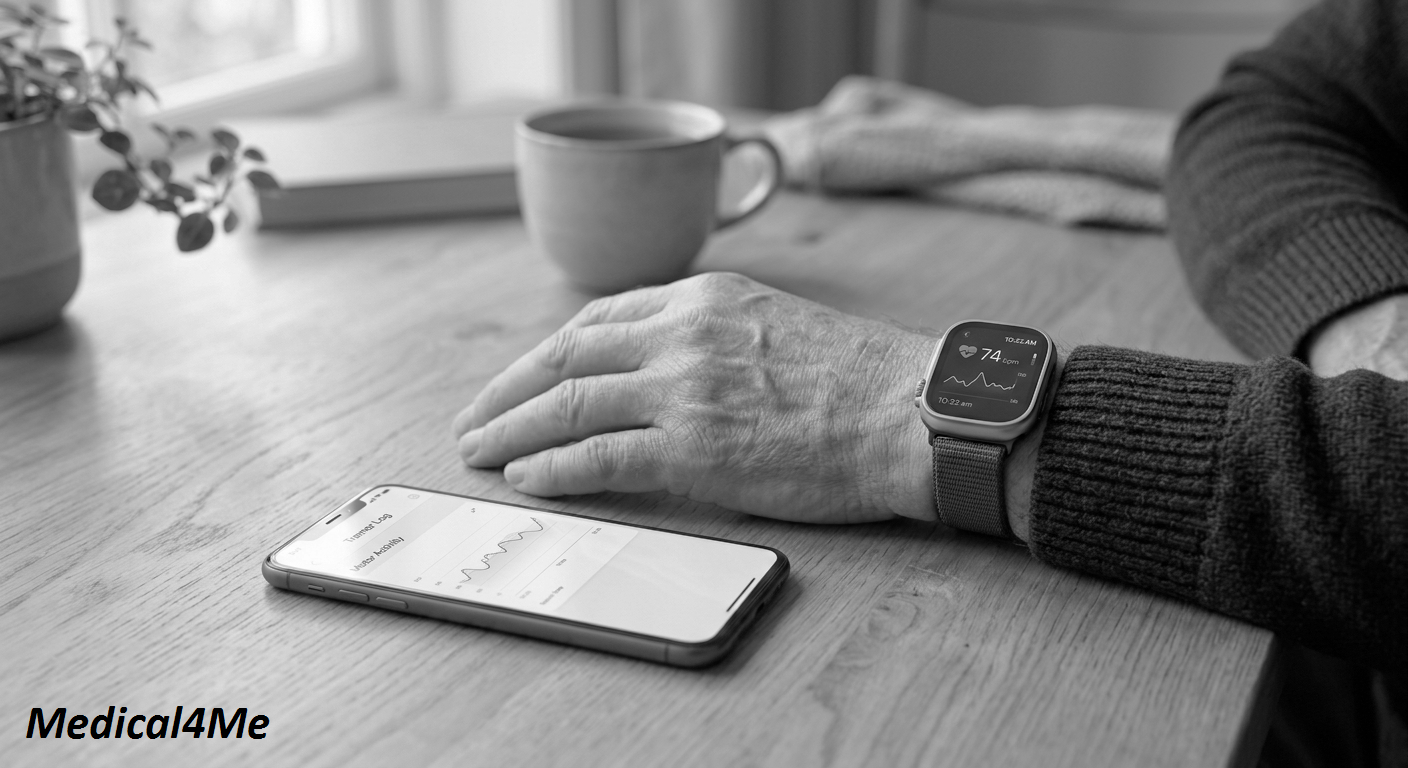
Digital biomarkers do just that like that smart diagnostic computer for the human nervous system. Our smartphone sensors, smart watches, and even a specific typing applications can be used to silently gauge how quickly a patient walks, as they struggle to speak or how consistently they support their phone during their real, everyday existence.
Take the case of Tariq, a 62-year old retired structural engineer who drew straight straight lines in his entire life. He began to notice a frustrating barely visible tremor in his right hand. Standard clinical tests didn’t pick up on much. However, by getting him to wear a basic motion tracking smart ring at home, we collected thousands of data points in two weeks. The ring picked up microscopic, rhythmic shaking which was most peaked just before his meals. That sustained data got us on the first signs of the Parkinson Disease way before it had disrupted his hobbies of drafting and filled first after that.
Recognizing the Symptoms
You might be wondering what exactly these digital tools are looking for. The shift from normal aging to neurological problem is seldom a big trumpet, but rather a small whisper.
I remember about Samina, a 48 year old baker who had put her soul into her cakes. She did come to me because she kept dropping her spatulas. She thought that it was the tiredness regarding dragging heavy bags of flour. Interestingly, her smartphone’s built-in accelerometer – which we accessed with her permission – revealed that her walking pace had decreased twenty percent in six months, and her arm swing had almost disappeared on one side.
Here are the primary symptoms we look for, both in the clinic and through our digital tools:
- Resting Tremors: A rhythmic shaking that happens mostly when the muscle is completely relaxed, often starting in just one hand or a couple of fingers.
- Bradykinesia: This is a medical term for extreme slowness of movement. Buttoning a shirt or getting out of a chair suddenly feels like moving through thick mud.
- Rigidity: Muscle stiffness that doesn’t go away with stretching. It feels like your limbs are fighting against you.
- Postural Instability: A frightening loss of balance that makes you feel like you are constantly on the verge of tipping forward.
- Micrographia: A baffling symptom where a person’s handwriting suddenly becomes incredibly tiny and cramped.
Consequently, having a tool that tracks these subtle shifts daily is nothing short of revolutionary.
Root Causes
Let’s look under the hood. Deep inside your brain, there’s a tiny, dark-colored area, called the substantia nigra. This little factory is responsible for creating a chemical messenger called dopamine. Dopamine is almost like the oil necessary for the gears of your body’s movement to move smoothly.
Without sufficient amounts of dopamine, the messages from the brain to the muscles become a mess. The orders are delayed, distorted, or lost altogether.
The first thing that always comes to my mind whenever a patient describes this is how long has their beautiful, resilient brain compensated for this loss silently, only for the tremor to finally come to the surface. The truth is, by the time someone notices having a tremor, he or she has usually already lost a substantial amount of those cells that produce dopamine.
To be perfectly honest, the medical community is still trying to work out the exact mechanism that causes this cell breakdown to begin in the first place. And we know that genetics are involved in some families, and environmental exposures may be involved for others. However, we simply don’t have all the answers yet. That uncertainty can be scary but with a focus on the ways we handle the present moment is where we gain back our power.
The Diagnostic Journey
When you walk in to a clinic, it shouldn’t feel like finding out what is wrong will be an interrogation. It must be partnership in nature.
The 71-year-old former high school principal, named Faisal, was terrified when his feet began “freezing” to the floor on his morning walks. He was convinced his life was well and truly over. We sat down and had a long cup of coffee, in my office, and worked through a very, very clear, step-by-step process. Taking the mystery out of the journey is half the battle.
Here is exactly how we approach the diagnosis today:
- The Detailed Clinical Interview: We just talk. I want to hear about your sleep, your mood, your sense of smell, and how your body feels when you wake up.
- The Physical Neurological Exam: I will ask you to perform simple tasks, like tapping your index finger to your thumb as fast as you can, or walking down a hallway while I observe your arm swing.
- Digital Baseline Establishment: We will set up a smartphone app or a wearable device. You will go home and live your life for a couple of weeks while the sensors quietly gather objective data on your movement patterns.
- The Medication Trial: Sometimes, we prescribe a low dose of dopamine-replenishing medication. If your symptoms dramatically improve, that tells us exactly what we are dealing with.
- Advanced Imaging (If Necessary): Rarely, we might use a specialized brain scan called a DaTscan. This doesn’t diagnose the condition directly, but it helps us rule out other issues by showing us the dopamine systems in your brain.
Naturally, combining the old-school physical exam with new-school digital data gives us the most accurate picture possible.
Treatment Reality
Hearing a diagnosis is overwhelming but please understand me when I say it is a highly manageable condition. Making it though is not the objective; but rather, an active life, full of love and prosperity. Like with other conditions we treat, our approach is multifaceted.
Lifestyle
Never underestimate the power of the daily habits. Vigorous exercise is arguably as powerful as some of the prescriptions that I prescribe. Activities such as boxing, swimming or dancing require the brain to create new pathways in the brain. Plus, eating a healthy diet that includes lots of antioxidants can help protect your remaining healthy cells. I always tell my patients that medication give you the ability to move, but exercise actually teaches your brain how to keep moving.
Medical Options
When we turn to medication, we’re really attempting to trick the brain into thinking it has enough dopamine.
The gold standard medication is Carbidopa and Levodopa. Levodopa is a chemical that crosses into your brain where it converts itself into dopamine. Carbidopa is its body guard; this works to stop the levodopa breaking down in your blood stream before it can reach the brain. It is mind-blowingly effective for stiffness and slowness. However, it isn’t perfect. Common side effects are nausea (especially with the new drug) and with long-term use, involuntary writhing movements called dyskinesia.
Another popular group of medications are called dopamine agonists, such as Ropinirole. Instead of getting converted into dopamine, this medication works as a master of disguise. It mimics dopamine to the extent that the receptors in the brain become fooled into working normally. While it works beautifully for most, it is a major cause of daytime sleepiness. More oddly, it will sometimes cause impulses to go wrong, such as the impulse to gamble suddenly or to over shop, which is something we monitor very closely.
These medicines are so sensitive that balancing them is a pain to us, and this is where digital biomarkers find their friend.
| Feature | Traditional Medication Adjustments | Digital Biomarker-Guided Adjustments |
|---|---|---|
| Data Source | Patient memory and 15-minute clinic visits. | 24/7 continuous wearable sensor data. |
| Dosage Precision | Often involves trial and error over months. | Pinpoint accuracy based on daily symptom peaks and valleys. |
| Catching Side Effects | Wait until the next appointment to report issues. | Doctors can see patterns of dyskinesia or freezing remotely. |
| Patient Burden | High pressure to remember everything accurately. | Zero pressure; the technology does the remembering for you. |
Warning Signs
While this journey is a marathon and not a sprint, there are specific moments when you need to reach out to a doctor immediately. I shared this recently, as I mentioned in recent posts, because safety is always our priority.
If you or your loved one experiences sudden, unexplained falls that result in injury, do not wait for your next appointment. Similarly, if there is a sudden onset of severe confusion, hallucinations, or an inability to swallow water without choking, you need acute medical care. These aren’t just bad days; they are medical alerts that require immediate adjustments. WHO data shows that managing these acute phases quickly dramatically improves long-term quality of life.
Frequently Asked Questions My Patients Ask
No, it is not considered a fatal illness by itself. People live incredibly full, long lives with it, though complications from advanced symptoms require careful management.
Not necessarily. Many patients experience more stiffness and slowness than actual shaking, as Mayo Clinic explains in their breakdown of motor profiles. Every single brain reacts differently.
Yes, shockingly well. The accelerometers in modern phones are sensitive enough to pick up microscopic changes in your gait and balance just from resting in your pocket.
It is getting better every day. Many clinical programs now provide the wearables as part of their standard neurological care packages.
There is no banned food list, but eating high-protein meals can sometimes block your medicationI know it is late, and I know your mind is racing right now. You are likely sitting there with a cup of tea that went cold an hour ago, endlessly scrolling through search results that only make your heart bea from absorbing properly. We usually recommend taking meds on an empty stomach.
Early on, absolutely. As things progress, we use digital reaction-time tests to help you make safe, objective decisions about getting behind the wheel.
Movement is your greatest medicine. CDC guidelines state that regular, sustained cardiovascular exercise is the best defense we currently have.

Medically Reviewed By
Dr. Saqlain Mushtaq, MBBS
Lead Medical Author, Medical4Me.com
About Our Editorial Process
💬 Share Your Experience
Share your thoughts, questions, or personal tips below. Our community and editorial team value respectful and insightful discussions.